



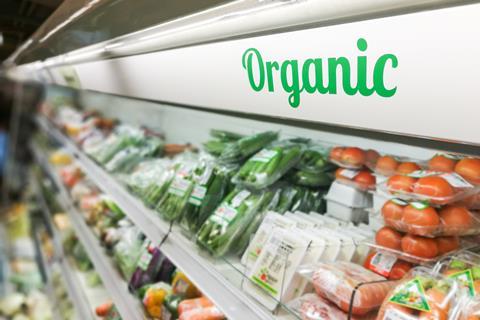
Shoppers aren’t treating healthy, planet-friendly food as a luxury anymore and organic is no exception. With sales up 7.3% in 2024 and market share doubling over the past decade, organic food has firmly entered the mainstream.
And contrary to popular belief, polling has found people on the lowest incomes are as likely to champion organic and its health benefits as anyone else. Yet they remain the very group most excluded from accessing it; a disconnect that should trouble anyone serious about the future of the UK’s food system.
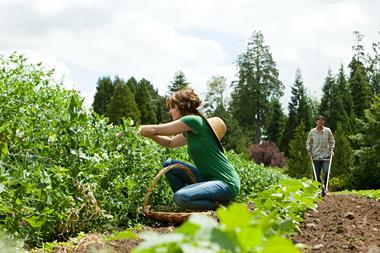
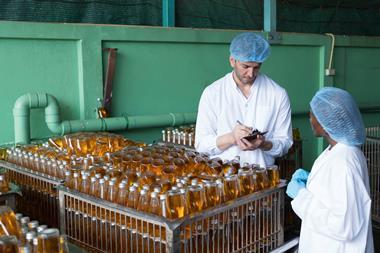
So why has this happened? First, it’s to do with supply. Britain simply doesn’t grow enough regular fruit and veg to meet demand, let alone organic. Producers who do want to scale up struggle without reliable routes to market, year-round demand, and the infrastructure to wash, process, pack and distribute produce close to home.
Then comes access. Too many cities are still fresh-produce deserts. People in Liverpool and Knowsley tell us it’s easier to find a vape than an apple. That probably makes all of us in the food sector, as in the health sector, despair. In schools, the picture is no better: fresh fruit and veg is limited, mostly imported and rarely organic. We’re teaching children to expect low-quality food and we’re doing it at scale.
And yes, cost remains the biggest barrier. Organic is more expensive to grow and more expensive to buy. But our new research shows it’s also far more valuable than we’ve ever quantified.
The true value of organic produce
Over three years and across four nations, Sustain worked with farmers, wholesalers and retailers to test what happens when organic production and consumption is expanded, both on shelves and on school plates. The results were staggering.
For every £1 of public investment, matched with £1.10 from shoppers, organic food delivered a whopping £8.78 in social value. That’s £3.11 in better health outcomes, £3.94 in stronger, more connected communities, £1.44 in local economic growth, and 29p in climate and nature benefits. These aren’t just abstract numbers, they’re real gains, rooted in real behaviour change.
Furthermore, closing the price gap on locally grown organic produce works. Rebuilding local supply chains works. Creating steady demand through school meals, greengrocers and market discounts works. Farmers earned fairer prices and hired more people; money stayed in local economies; shoppers ate more fruit and veg, tried new varieties and came back for more; and because the food was grown closer to home, its environmental footprint also dropped sharply.
For retailers and brands, this is the moment to pay attention. When access improves, demand follows. When price barriers fall, loyalty rises. And when producers have stable outlets, the entire supply chain strengthens. One farmer saw a 10% sales uplift from participating in a single, small pilot. Scale that up across the UK and you’re looking at meaningful commercial growth.
Scaling up organic systems
The question now is how fast we can replicate these results.
A powerful starting point sits right under the government’s nose; the £5bn it spends each year on public-sector food. Labour has already committed to sourcing 50% of this from local or sustainable producers. Our pilot projects show exactly how to deliver that, putting organic fruit, veg and pulses on school menus year-round, creating dependable, high-volume demand for growers.
The ripple effects are already visible. Greengrocers and market traders tell us customers are genuinely energised by having access to local organic produce again. People are eating more seasonally, trying new varieties and, most importantly, coming back for more.
But turning that momentum into a nationwide shift requires three things: real support for farmers to scale up production; investment in the infrastructure that gets produce from field to shelf; and procurement rules that drive consistent demand and reward quality, sustainability and provenance.
Organic isn’t just good for people or the planet, it’s good business. And the government, retailers and suppliers who step up now won’t just meet demand – they’ll shape the market and lead it.
Hannah Gibbs is programme manager at Sustain – Bridging the Gap



No comments yet