





Top and soft fruit growers have today warned significant cost increases could lead to a reduction in production.
Research commissioned by British Apples & Pears, from farming consultancy Andersons Midlands, indicated that unanticipated inflation since 1 March 2026 had already added £31.30 per tonne to the cost of growing UK gala apples this year, on top of the £32 per tonne inflation originally forecast.
This means total gala apple production costs are expected to rise by £63.30 per tonne in 2026, equivalent to 6.3p per kilo or a 4.5% increase overall.
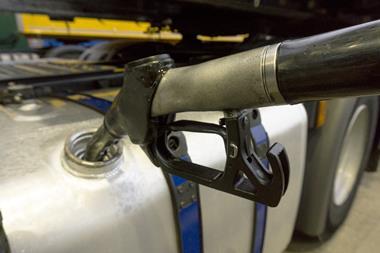
The main areas of inflation are fertiliser, fuel, electricity, packaging and transport.
“After one of the best harvest years we’ve ever had in 2025, British apple and pear growers are once again facing significant cost inflation caused by global events entirely beyond their control,” said executive chair of British Apples & Pears Ali Capper. “The latest increases in fertiliser, fuel, electricity, packaging and transport costs come on top of several years of already-rising production costs and squeezed margins.”
A similar picture has been seen by berry growers who have experienced, since 1 March, fertiliser costs up 35%, packaging up 17.5% and transport up 20% on average, according to data from Andersons.
These increases affect all major UK soft fruit crops, including strawberries, raspberries, blueberries and blackberries across a wide range of production systems.
British Berry Growers warned that for those growing berries in heated environments, the situation is further compounded by rising energy costs.
Data from Andersons suggested electricity costs have risen by 10%-40% while natural gas costs have increased by around 60%.
BBG said these increases are particularly significant for glasshouse and other heated production systems but also have wider implications, as higher energy prices feed into cooling, storage and packing operations across the entire sector.
Significant rises in the costs of these core inputs has a “direct impact on the cost of producing British berries”, said BBG chairman Nick Marston.
“British berry growers are once again dealing with significant cost increases driven by global events outside our control,” said Marston.
“What stands out here is the scale and the speed; we’ve seen sharp rises across fertiliser, packaging and transport in a matter of weeks, just as the UK season gets underway.”
Returns failing to keep pace
This latest round of inflation comes on top of significant cost inflation which followed the outbreak of war in Ukraine and led to British apple grower costs increasing by 30% in two years, while supermarket returns only went up by 8%.
BAP has warned there are concerns a further period of inflation linked to the Iran conflict could create a similar situation where grower returns fail to keep up with rising costs.
The grower group said the longer-term consequences of this are already visible, with its most recent Orchard and Storage Census showing planned orchard planting over the next three years is around 32% below the average planting rate of the previous five years.
Growers need to plant around 369 hectares of new orchard each year simply to maintain current orchard area, yet the most recent intentions suggest only around 145 hectares per year will be planted.
“We have already seen the consequences when grower returns fail to keep pace with inflation,” Capper added. “Profitability is reduced, businesses come under pressure, orchard renewal slows and investment decisions are delayed.”
BAP warned there are concerns that repeated cost shocks could further reduce growers’ ability to invest in new orchards, storage, technology and future production.
Without sufficient reinvestment, there is a risk the sector will struggle to maintain production levels.
“The industry has shown it can weather periods of major global disruption, but repeated cost shocks cannot continue to be absorbed solely by growers,” said Capper. “There is a real opportunity for retailers and growers to work together to ensure these additional costs are recognised fairly across the supply chain.”
Both she and Marston have called for costs to be shared more evenly throughout the supply chain.






No comments yet