




Asda’s pre-tax losses surged to nearly £1bn last year as Allan Leighton cut prices to win back shoppers. The supermarket was also hit hard by the fallout from its Project Future IT update.
Accounts set to be published at Companies House today show Asda’s pre-tax losses grew to £989m in the year to December 2025, up from £599m the previous year.
Total sales for the year were £25.9bn, including fuel. When fuel was stripped out, like-for-like sales fell 3.1%.
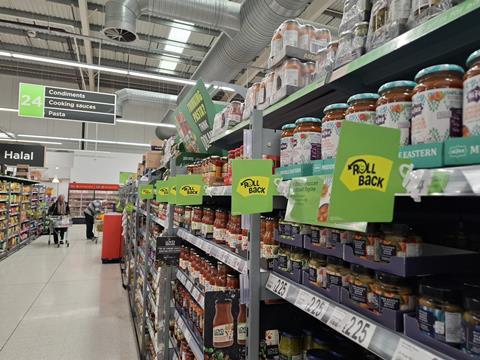
Adjusted EBITDA fell by 33.3% to £761m excluding rent as a result of Leighton’s bid to rebuild Asda’s price position over its rivals through the return of Rollback and the Asda Price promise.
The Leeds supermarket was also hit hard by the disastrous final stage of its Project Future work to decouple its IT systems from Walmart. The disruption to stores, supply chains and subsequently sales following the planned completion of the programme in August cost an additional £284m in one-off costs.
At the time Leighton admitted it would put his turnaround plan back by six months and was entirely “self-inflicted”. Overall, one-off costs totalled £656m, which also included £344m cash impairment following a reassessment of Asda’s property portfolio.
The sale and leaseback of its stores, as well as other cost-cutting measures, helped the supermarket trim £500m off the debt mountain left as a result of the £6.8bn acquisition by the Issa brothers and TDR in 2021. Net debt had fallen to £3.1bn at the end of the year. Asda had £1.3bn in cash.
“Asda invested significantly to lower prices for customers in 2025 and strengthen its value proposition at a time of sustained cost of living pressures,” an Asda spokesman said.
“As expected, this contributed to adjusted EBITDA (after rent) declining to £761m. The statutory pre-tax loss reflects this investment and also includes £656m of one-off costs related to the now-complete IT separation from Walmart, and a non-cash impairment, an accounting adjustment rather than a cash outflow,” they said.
Asda turnaround plan is ‘working’, albeit gradually
Despite the losses, Leighton insists his turnaround plan is working, albeit gradually. Sales decline slowed to 0.8% during the first quarter of the current financial year to March. Total revenues were down 1.5% as a result, which was “broadly where we expected”, Leighton said.
Leighton has set the goal of Asda being between 5%-10% cheaper than its traditional big four rivals and has invested significantly into prices as a result. However, it’s yet to result in a major uplift in footfall, with market share slipping further in May to 11.5%, according to latest Worldpanel figures.
Asda launched the first stage of a major customer experience drive in May, in a bid to invite shoppers to ‘Take a Fresh Look’ inside its stores. It included a refresh of its fresh and frozen offer, as well as investment into reviving its Asda Rewards loyalty scheme.
“The reported loss does not reflect the underlying financial strength of the business – and continued powerful cash generation,” the Asda spokesman said of the annual results.
”Asda is supported by a strong balance sheet and capital structure, with £1.3bn in cash, £2.1bn of total liquidity at the year end, and the majority of borrowings secured well into the next decade. This gives us the flexibility to continue investing in our long-term growth strategy and deliver a disciplined and sustainable turnaround,” the spokesperson added.









No comments yet