




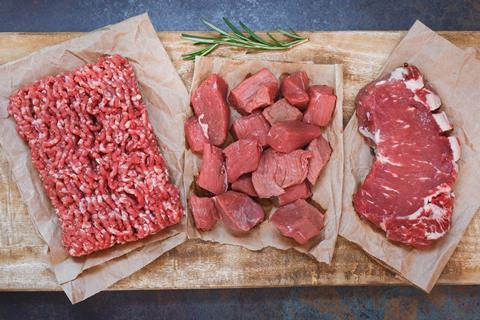
Beef prices have started to decline on retail shelves as consumer demand has dropped.
After months of steady price increases in the category, inflation appears to be slowing, with analysis by The Grocer revealing average beef prices at the mults down 0.3% in the past month [Assosia 4 w/e 27 May].
This is against a backdrop of annual inflation, with prices up 4.4% compared with this time last year [Assosia 52 w/e 27 May].
At the same time, the latest data from AHDB showed GB deadweight cattle prices are also in decline, with steers 83.5p per kilo less than last year, heifers 83.1p less, young bulls 8.4p less and cows 51.9p less.
The slowing of inflation in this category is “consumer driven, and this price change is a pan-European reaction”, said David Lindars, British Meat Processors Association technical operations director.
“Despite declining cattle numbers, consumer demand is similarly declining, and the relative value gap between beef and pork and chicken is stark in the marketplace,” he added.
NFU livestock board chair David Barton emphasised that this “oversupply” and “sharp correction” was a “temporary situation”.
However, he warned that it was “really difficult for us to deal with as farmers” especially with rising input costs.
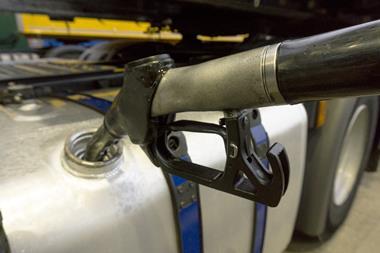
“Fertiliser prices have just gone through the roof, and red diesel has gone up dramatically as well, so those input costs that we really can’t control have gone up,” he explained. “Then there has been a very sharp price adjustment, and I think that’s quite unhelpful for the sector.”
This is expected to continue, and Barton has raised concerns that food production is going to go down both at home and abroad.
“We need to start focusing on food production,” he added. “As a farmer, all I need to deliver is environmental benefits, no one is asking or expecting us to produce food, which is quite frankly ridiculous.
“You can produce food and look after the environment at the same time, and in fact that’s the very best way in which it works, because then you have a truly genuine sustainable system.”
He has urged the government to give farmers “signals to start building confidence” and has called for a longer-term view from every part of the supply chain to “take out some of that volatility because as farmer we seem to have to take all the risk, and price volatility is something that’s really difficult for us to deal with”.



No comments yet