




Food inflation hit an 11-month low in February 2026, falling 0.3 points to 3.3% – but the US war on Iran may send grocery price rises as high as 8%, according to the IGD.
ONS statistics reported a 3% overall CPI rate, with falls in grocery and alcohol – down one point to 3.6% – counteracted by rising clothing costs.
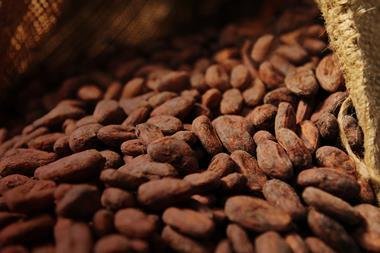
The statistics, which represent prices before the US and Israel attacked Iran on 28 February, also showed motor fuel being the largest contributor to deflation in the month. The fall in food inflation came mainly from a drop in the cost of chocolate confectionery.
The fall in food prices will not last, however, as a higher cost of oil and gas filters into every part of the grocery supply chain.
The IGD has warned that a pessimistic scenario could send food inflation as high as 8% by June 2026 if disruption to global energy markets persists, in a “severe but short-lived energy shock” scenario.
Any inflation linked to the crisis will only come on top of several years of persistent inflation. UK retail food prices were now around 38% higher than pre-Covid levels, according to the IGD, which predicted that food inflation would average 3.8% in 2026 even if there were no war.
If the war is resolved soon, the IGD model suggested food inflation would average around 4.8% in 2026.
“Even in the best case scenario, the conflict in the Middle East is likely to prolong the timeline for recovery from the cost of living crisis,” said IGD economist James Walton.
Walton warned that many producers had already absorbed as many costs as they can, leaving no choice but to raise prices.
“Margins for basic food and drink remain exceptionally thin, and in many cases have fallen in recent years,” he said.
“Margins on nine everyday food items average just 1.5% across the supply chain, with items such as chicken breast sold at cost and beef mince generating under 1% margin. When margins are this tight, businesses have limited capacity to absorb global shocks, invest in resilience or protect supply. Over time, that increases the risk of weaker availability and greater price volatility.”
FDF chief executive Karen Betts added the industry was now in a “calm before the storm”, with energy, maritime fuel and fertiliser costs all putting suppliers under pressure.
“Food and drink is an essential, bought by every household, every week,” she said.
“While it can take several months for cost rises to filter fully through to shop shelves, the cost of the Iran conflict will be felt by shoppers this year.
“If government is serious about tackling the rising cost of living, it must provide our industry with at least the same support as other manufacturing sectors. The current energy shock is yet another structural shock our industry will have to absorb, on top of the Ukraine war, the costs of realigning food law with the EU once again, and new regulatory burdens.”
February’s ONS inflation statistics were the first to use scanner data, with 50% of prices collected at point-of-sale rather than collecting data directly from shops in person.
Under the old methodology, CPI was slightly higher at 3.1%.






No comments yet