


It’s been another busy week on The Grocer.
The “big” news this week was the government’s long‑trailed list of tariff‑free food and drink imports. In practice, it turned out to be something of a damp squib, with the NFU rightly pointing out it would make no meaningful dent in food price inflation. In my leader, I crunched the numbers to show the Chancellor’s grand gesture will save consumers just 4p a week.
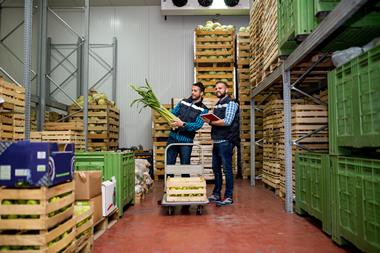
If Westminster was hoping for applause, it didn’t get any from the fresh produce sector this week either. Defra’s new guidance on the EU SPS deal landed with a thud, with Fresh Produce Consortium CEO Nigel Jenney telling The Grocer it will increase red tape, not reduce it. Because importers bringing in the 50% of UK fresh produce that comes from outside the EU will now have to meet EU rules, they’ll be saddled with the same border checks the deal is supposed to eliminate for exporters. The price tag? More than £300m a year. So again, more inflation – not less.
Retail winners and losers
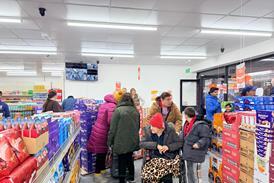
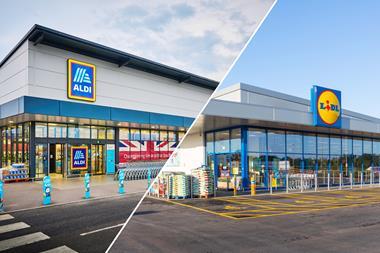
Retail, meanwhile, delivered its own drama. The latest Worldpanel market share figures confirmed Lidl has finally overtaken Morrisons The question everyone is asking now is whether it can catch Aldi – and how quickly. But as I argue in another leader there’s a question no one was really asking: what next for Morrisons?
Waitrose, by contrast, is having a moment. The same Worldpanel data showed its sales up 3% while Asda’s dipped by the same amount. That came in the same week Waitrose confirmed plans to open two new stores on sites currently leased to Asda, plus a £30m investment in cutting own‑label prices. News editor Ronan Hegarty unpacked why Waitrose is flourishing while Asda continues to struggle, despite an economic backdrop that should favour the latter.
Not that the wider economic picture is giving anyone much comfort. The Food & Drink Federation’s latest survey showed business confidence in freefall thanks to the conflict in Iran – now at its lowest level since the early days of the Ukraine war.
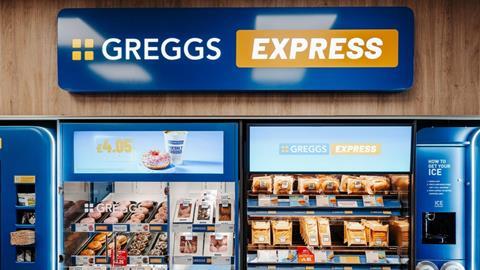
In tech, George Nott reported on the arrival of French “crowdshipping” operator Shopopop, which pays everyday commuters to deliver grocery orders on their usual routes. And if that wasn’t enough disruption, Greggs is trialling a self-serve unit on petrol forecourts.
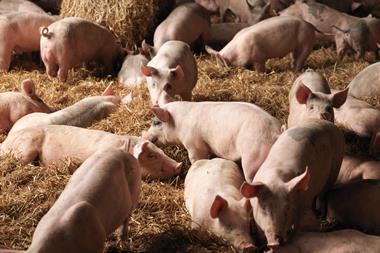
Fresh food brought a rare glimmer of relief: after months of inflation, beef prices may finally be easing. But chicken is another story entirely. With more than 100 poultry‑related planning applications stuck in limbo, the British Poultry Council is warning that planning reform is urgently needed to meet soaring demand.
The return of James Watt
Fmcg was no quieter. James Watt is back – again – this time with a new beer venture called Second Best. Drinks editor James Beeson explored what Watt’s post‑BrewDog era might look like, and whether the Equity Punks will ever forgive him. Speaking of demises, Heineken, has axed three underperforming ciders to refocus on areas of genuine growth, while Lucky Saint MD Emma Heal has departed after six years, leaving big shoes to fill in an increasingly competitive low & no market.
In personal care, the standout story was Harry’s teaming up with Asim Chaudhry for an interactive “feel‑good” installation. It’s bold, but also a bit wearyingly London‑centric – and plays into male stereotypes at a time when other brands are speaking more frankly about wellness, as Andrex did with Katherine Ryan this week. Niamh’s Leonard-Bedwell’s piece on the struggles facing babyfood brands also deserves a mention, especially in light of our babycare report, which charts a category battered by exposés, recalls and now declining branded sales.
Finance brought a rare good‑news story: Greencore’s first‑half results impressed analysts, with underlying profits up 15% and service levels near‑perfect as its merger with Bakkavor progresses. The market fixated on a statutory loss and knocked the stock 12%, but the fundamentals look strong. Less encouraging was the 50% surge in late and unpaid invoices since the start of the Iran war – a worrying sign of distress rippling through the supply chain.
The state of DEI
Our features this week also leaned into big themes. Dene Mullen’s cover story explored the state of DEI in food and drink – a space that has stagnated even as founders from ethnic minority backgrounds continue to push forward. And in the Big Interview, Cara Houlton sat down with Chaiiwala co‑founder Sohail Ali, who has grown the brand from a Leicester shopfront to a 120‑store chain with US ambitions.
And finally, a quick note: the New Product Awards deadline closes on Monday, so you have just three more days to enter and be in with a chance of having your new product recognised. Find out more about the awards and enter here.
As ever, I’d love to hear your thoughts, feedback or suggestions on what we should be covering. Until next week. Lidl overtakes Morrisons, tariff plans fall flat and confidence plunges across food and drink as new pressures hit the sector.




No comments yet