





The UK food and drink manufacturing sector could help provide more than one billion meals a year to people facing food insecurity by reducing waste, recovering surplus and reinvesting cost savings, a new report shows.
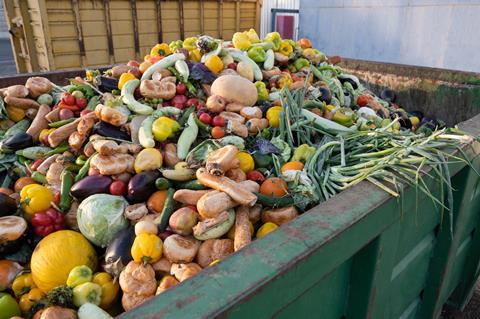
The Waste Equation, a report by strategic delivery consultancy Newton in collaboration with UK food redistribution charity The Felix Project and FareShare, states that each year, UK retailers sell 18.5 million tonnes of UK-manufactured food and drink. However, in the process of producing that food, around 550,000 tonnes – the equivalent to 3% of sales – is wasted.
Of this waste, 23% could be prevented, according to the pair, which would save manufacturers an estimated £326m.
Meanwhile, 16% of surplus that cannot be cost-effectively prevented could be recovered for redistribution by frontline charities – the equivalent of 212 million meals.
The pair said that reinvesting the £326m in savings at the lowest marginal manufacturing cost could generate a further 657 million meals.
Combined with the 148 million meals currently redistributed each year by The Felix Project and FareShare, this creates the potential to provide over one billion meals annually to people in need.
The report sets out a practical blueprint for how manufacturers can achieve this impact. Its three-step approach to reduce avoidable waste through operational improvements and technology, recover surplus, and reinvest the savings to produce additional meals, is aligned with the UK government, Wrap and The Coronation Food Project recommendations.
To help pinpoint where the most food is lost, the report’s Manufacturing Waste Map identifies six key moments in production, including preparation, operations, quality control, giveaways, changeovers and planning.
“Working collaboratively with food manufacturers to reduce waste, recover surplus and reinvest savings to create more meals not only makes commercial sense, it is the right thing to do,” said The Felix Project and FareShare CEO Charlotte Hill.
“Across the UK, The Felix Project and FareShare supply over 8,000 organisations who are supporting people experiencing food insecurity, strengthening communities and improving lives. If we can access more of this potential food, we can make sure more of it is able to have this transformative impact, rather than going to waste.”
As a result, the charity is calling on the UK government to “step up” by making it “easier and more cost-effective for businesses to donate surplus food, instead of it going to lower-value users”.
”This, however, can’t be done by one sector alone – if everyone begins to play their part, we really can make a step-change in 2026,” Hill added.






No comments yet