



Growers have warned of a “rapid escalation” of costs across the board as the Middle East conflict rages on.
The closure of the Strait of Hormuz, a key shipping route for fertiliser and natural gas, which accounts for 60%-80% fertiliser costs, was a “key driver of the current volatility”, British Apples & Pears has warned.
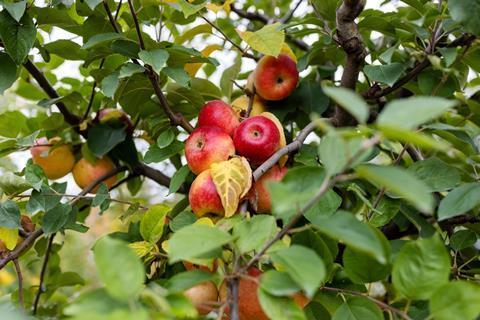
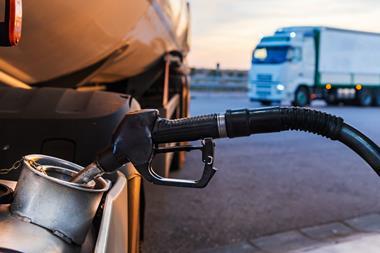
One apple grower reported that the fertiliser was 42% more expensive than the same time last year, with kerosene prices doubling from 65p to £1.30 per litre in recent weeks.
British Berry Growers chair Nick Marston also pointed to the strait’s closure as a key issue, saying there was “concern” about fertiliser.
“As this is facing significant disruption amid the conflict, the knock-on effect on our members’ input costs is severe,” he added.
BAP warned that soaring fertiliser and fuel costs had come at the worst possible time for top fruit growers, as it is the start of the UK growing season when purchases cannot be deferred.
“Growers can’t simply pause buying fertiliser, fuel and energy. If these cost spikes persist through the spring, they will feed directly into food inflation – and it’s vital that government and the supply chain act early,” said Ali Capper, executive chair of BAP. “Ministers and the Bank of England need to understand what’s happening on the ground, and the Groceries Code Adjudicator should remind retailers of the rules around cost-inflation discussions so legitimate increases can be addressed fairly.”
A grower echoed this sentiment: “We can’t pause the season. These are inputs we need now – and sudden price spikes feed straight into our cost of production.”
Read more:
-
Iran war: Growers may be forced to stop production due to fuel prices
-
Iran war: Soaring red diesel prices could threaten jobs and drive up prices
-
FDF calls for government help over energy price spike
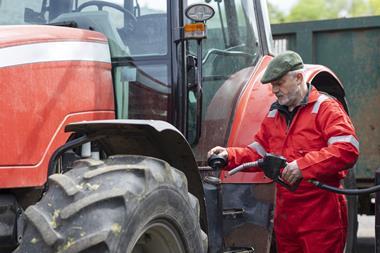
“The challenges that many growers are facing are stacking up,” Marston added, pointing to rising costs elsewhere including the price of red diesel used on farms for tractors, the price of gas used to heat glasshouses and polytunnels, and the price of diesel on transportation costs.
It comes as growers are facing significant hikes in labour costs, with labour still accounting for 50% or more of berry production costs.
“The 4.3% national living wage increase for over-21s in April 2026 is a substantial above-inflation commitment that compounds an already very challenging picture,” said Marston.
This echoed findings from BAP’s grower survey, conducted in late 2025, which revealed that audit and compliance demands and labour costs are the dominant pressures on UK apple and pear businesses.
“Farming is less fun than it was: paperwork, low returns, labour problems and cost – and now I can’t pass assets to my son, so why bother?,” said one grower.
The survey also revealed that 43% of respondents were less confident about the future than a year ago, compared with 70% in 2023.
BAP said the direction of travel was positive but warned that progress would not hold unless the industry tackled the compounding impact of compliance burden, labour challenges and volatile input costs.
“Growers’ confidence has improved since 2023, but it won’t hold if another prolonged input cost shock takes hold,” said Capper.
The organisations have called on support from the retailers and political stakeholders.
“While the current situation remains uncertain, there is a clear opportunity for retailers and growers to work in partnership to ensure these additional costs are fairly recognised across the supply chain,” said Marston. “This collaboration will be essential to sustain investment in British production and maintain reliable supply for consumers.”




No comments yet