




Skyrocketing red diesel prices could threaten jobs and drive up prices, sources have told The Grocer, as the Iranian conflict continues unabated.
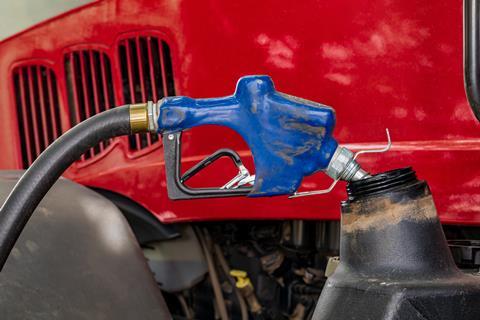
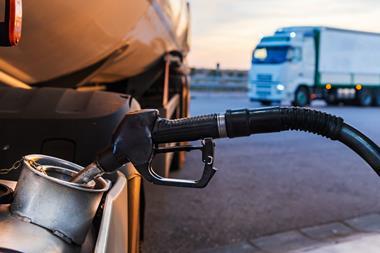
The National Federation of Fishermen’s Organisations (NFFO) told The Grocer the war had driven up the price of red diesel – differing in colour, tax rate and restricted use to white diesel – by more than 73%, with AF Group also reporting an increase of 30p-40 per litre.
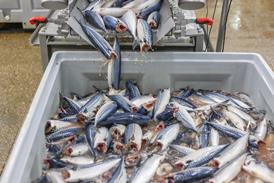
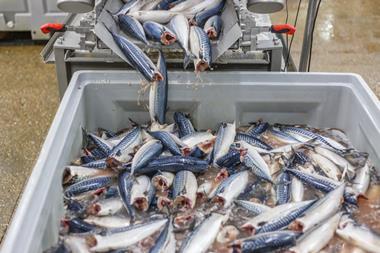
“If increased fuel costs exceed expected returns, fishing boats will be forced to tie up,” warned Mark Cohen, chief executive of the NFFO. “Crewmen will be unpaid and will have to seek alternative work in other sectors.”
“Equipment suppliers and ports will suffer from lost custom from fishing businesses,” he added. ”A lack of raw materials will quickly be felt further up the seafood supply chain, spreading the economic impact still further.”
The potential loss of labour would also compound the existing recruitment crisis affecting the fishing industry, which, Cohen added, “new immigration rules are already worsening”.
Donna Fordyce, CEO of Seafood Scotland, said: “Like many industries, the seafood sector is being affected by rising fuel prices, at every stage in the supply chain – from catching to exporting.”
Read more:
-
Oil price chaos means choppy waters become a maelstrom
-
CMA warns firms it will act decisively against price gouging
-
Iran war: Growers may be forced to stop production due to fuel prices
While there have been no shortages so far, AF Group fuel procurement manager Patrick Crehan said “lead times have lengthened due to the high volume of orders”.
“Inevitably this will have an impact on the UK economy, as higher fuel costs increase transport and production expenses for businesses, which ultimately contributes to higher food prices for consumers,” he said, noting the rising price of kerosene would also affect rural communities.
“Learning from the ongoing conflict between Russia and Ukraine suggests we may face a prolonged period of elevated prices, exceeding the levels originally forecast for 2026,” he added.
As reported by The Grocer, Defra secretary Emma Reynolds and farming minister Angela Eagle met with the NFU late last week, with its president, Tom Bradshaw, outlining how disruption to global oil and gas markets has affected the price of fuel and fertiliser.
“It’s clear that transparency and fairness over fuel and fertiliser prices is critical, and we’ve been asking for this for a long time, regardless of market volatility,” Bradshaw said. “It’s particularly urgent as farmers and growers are busy getting crops in the ground and boosting grass growth ahead of spring grazing.”
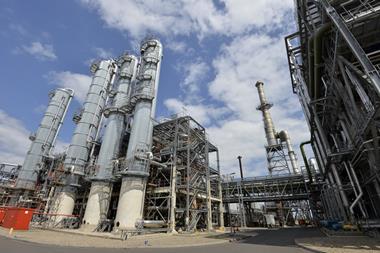
A spokesperson for Defra told The Grocer “price gouging would not be tolerated,” and noted UK refinery production more than met demand for red diesel (producing over double the amount required), and exported the excess.
“We have raised industry concerns about red diesel prices, including price transparency, with the Competition & Markets Authority, and we are committed to ensuring that this market functions fairly,” a spokesperson said. ”We stand ready to act swiftly and appropriately to support our domestic fishing industry and protect food security.”






No comments yet