






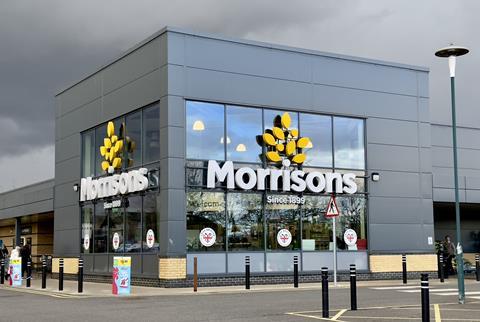
Morrisons is exploring the sale of dozens of its in-store pharmacies to fund its turnaround efforts.
The supermarket has notified property agents to help find buyers for some of its least profitable in-store pharmacies, following a review of its estate last year.
Rather than a mass sell-off or closure, talks will be held on a store-by-store basis, with Morrisons understood to be exploring different models for each sale.
The supermarket currently has 120 in-store pharmacies. The Grocer understands Morrisons has no plans to sell off or close all of the sites.
It follows the closure of four in-store pharmacies alongside 52 cafés, 17 Daily stores, 35 meat counters and 13 florists in March 2025, as part of measures to cut costs and help Morrisons pay off its £3.1bn debt pile as a result of the 2022 acquisition by CD&R.
Morrisons CEO Rami Baitiéh is targeting “capital-light growth” as part of his strategy to rebuild its market share – which has fallen to 8.5% down from 10.2% in 2020 – and has been reviewing its entire estate to identify unprofitable areas, or elements that could be outsourced or let to a third party.
In February 2024, Morrisons sold all 337 petrol forecourts to fellow CD&R company Motor Fuel Group for £2.5bn. Later, The Grocer revealed Morrisons would shutter its Rathbones Bakery, following a long-running saga that saw Morrisons initially u-turn on a proposed sale in favour of trying to turnaround the Wakefield site.
Morrisons’ private equity owners have raised roughly £3.2bn through the sale of Morrisons assets since 2022, according to research by the FT and property agency Cushman & Wakefield published in January.
Morrisons is the latest supermarket to retreat from in-store pharmacies amid a wider crisis in the UK pharmacy sector, which has battled with rising costs as well as a shortfall in NHS funding.
Sainsbury’s announced the closure and replacement of all of its in-store Lloyds Pharmacies in January 2023, following their closure by Lloyds owner Boots.
Morrisons declined to comment on the proposals, which were first reported by The Telegraph.




No comments yet