Meat

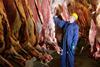
A French official was injured by a falling meat carcass

New French import rules brought in at the last minute could mean hundreds of food trucks are rejected at the border from next month, hauliers have warned.

After a French official was injured by a falling meat carcase, officials sent out guidance last week stating they would no longer enter the back of lorries to inspect loads of meat.

It will therefore fall to drivers from the start of August to move carcases to the door of the lorry for inspection. If they refuse, the goods will be rejected and must return to the UK, according to the note from French border control.

Toby Ovens, MD of Broughton Transport, said his company moved around 50 trucks of meat a week and feared most of them would now fail routine import checks.

The main concern is that drivers are not trained to move a 300kg beef carcase and will refuse to do so. “I expect a lot of hassle with drivers basically saying I’m not doing it. And rightly so: they’re not trained to do it.

“I’ve then got to pick up the phone to a customer in the UK saying: “I’m sorry, but your £150k worth of lamb has been rejected in Calais.”

Alastair Gunn, policy lead for trade at the Road Haulage Association, said the issue would affect meat carcases heading to all of Europe, with France the only entry route for these products. “This is the gateway to Europe for us so [France] can slightly hold the rest of Europe to ransom,” he said.

For hauliers, it is the latest issue in a long line of obstacles they feel they must navigate if they’re to successfully move food and drink into Europe.

“Every time you think you’re making progress they throw another hurdle in the way and you’ve got to adjust to a new way of working,” Ovens said.

Further disruption is expected at Dover in the coming weeks due to the EU’s new entry/exit border system, which requires additional border checks for anyone entering the bloc.

Last month, Doug Bannister, CEO of the Port of Dover, warned that modelling showed the possibility of “severe congestion” over the summer, with about 12,000 vehicles expected each day.

While Operation Brock, the plan devised for a no-deal Brexit, will come into force this week to create a dedicated lane for Europe-bound lorries to queue on the M20, food exporters still fear their goods will be caught up in the traffic.

“Lengthy delays could result in products losing shelf life and, in the worst case, result in whole trailer loads becoming unsaleable and needing to be destroyed,” said Tom Southall, deputy CEO of the Cold Chain Federation.

Richard Ballantyne, CEO of the British Ports Association, said roll-on roll-off passenger and freight ports were highly efficient and even relatively small increases in processing times could quickly create congestion and disruption.

“A pragmatic and proportionate approach will be essential, rather than allowing rigid implementation of new requirements to create avoidable disruption.”

The UK government has been approached for comment.