




The government is understood to be planning a new and “ambitious” food waste strategy amid growing anger over the huge levels of waste from households and the supply chain.
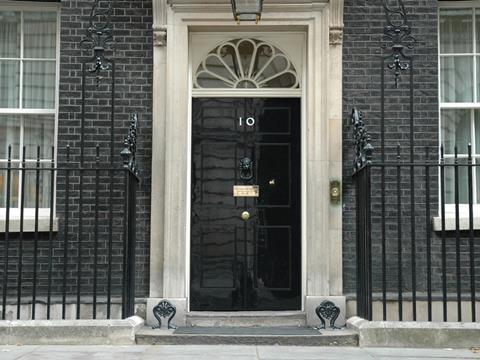
Food industry and NGO leaders held talks at Downing Street last week, with prime minister Keir Starmer given a physical representation of the problem in the form of a pack of potatoes left in the Downing Street fridge.
Wrap CEO Catherine David said the potatoes were left for the PM to illustrate the massive proportion of food that is discarded due to systemic issues in the food supply chain and lack of understanding among consumers.
Posting on LinkedIn, she said: “I left the bag of potatoes in the PM’s fridge – the eagle-eyed will see that half the bag is marked ‘use’ and the other half ‘chuck’, as that’s what happens in reality.
“We were there to discuss the huge opportunity there is to reduce household food waste – the average family of four in the UK spends £1,000 a year on edible food that goes in the bin – as well as the potential to ensure as much supply chain waste/surplus as possible gets redistributed to communities as nutritious meals.”
The latest figures from Wrap show nearly 10% of food-related carbon emissions comes from household food waste, amounting to six million tonnes of food being wasted in UK homes each year.
However, more than 75% of emissions comes from food production, where levels have fallen by a mere 6% since 2015.
Last week, writing in The Grocer, Wrap’s director of food system transformation, Estelle Herszenhorn, said that actions to tackle food waste in agriculture and food packaging were “lagging” and risked the UK failing to hit its 2050 net zero goals.
Among policies believed to be in the pipeline include a renewed move by the government to introduce mandatory reporting by major food companies on their food waste figures. Circular economy minister Mary Creagh is understood to be drawing up plans for the strategy, which was put on ice by the previous government, to be revived.
Tesco, Sainsbury’s, Waitrose, Aldi and M&S are among leading retailers to have called for the move.
Wrap has also been calling for laws restricting packaging on uncut fresh fruit and vegetables sold in retail in the UK, which it claims will reduce food waste as well as help tackle plastic pollution.
A source told The Grocer: “The group that attended No 10 are the people from NGOs and industry who can be really instrumental in tackling those problems of both household and supply chain food waste.
“This is certainly not an issue that the industry can palm off on households. It is something that everyone from those working at the far end of the farm supply chain, to the leadership of retailers needs to be concerned about.”
Emma Bourne, the outgoing head of Defra’s circular economy team, said: “Many of the UK’s leaders in combating food waste and food poverty came together at No 10 to agree an ambitious and creative set of ideas.
“Working together, I am confident this group (and others) will achieve important change.”
David told The Grocer: ”I was pleased to attend the special Number Ten Food Waste Roundtable with Defra and key partners from the food sector. We know that for the average household of four food waste cost £1,000 a year for edible food that ends up in the bin.
”I took a bag of potatoes marked half to ‘eat’ and half (46%) to ‘chuck’ to illustrate the scale of the Household Food Waste challenge, and the size of the opportunity - this was one of the graphics we used in our 2025 Love Food Hate Waste campaign.
”We also discussed the potential to ensure as much supply chain surplus food as possible is redistributed to communities. I’m really excited to work with Number 10, Defra, and existing and new partners to scale action on preventing food waste and ensuring we make the most of our precious food - including during Food Waste Action Week, 9-15 March.”




No comments yet