


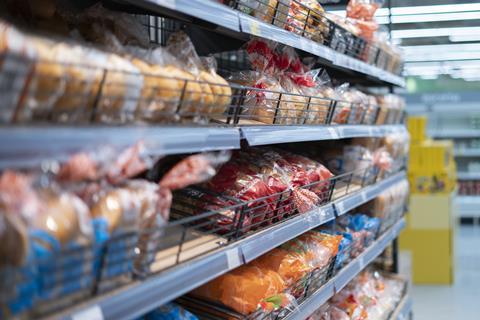
SNP plans to introduce price caps on essential foods would have a “crushing” impact on the already struggling industry, sector leaders have warned.
Scotland’s governing party said it would cap prices for essentials such as bread and milk if it retained power in the coming elections, with leader John Swinney claming the the cost of living crisis was the “defining issue” of the vote.
The SNP is strongly tipped to secure a fifth term in power and the move has put Scottish ministers on a collision course with the food industry.
“This policy has the real risk of undermining investment, resilience and long‑term food security – crushing hard‑pressed food and drink producers who feed the nation and provide good, skilled jobs in communities across Scotland – many of them small and medium‑sized businesses,” said FDF Scotland CEO David Thomson.
“Our sector is already facing intense pressure from rising regulatory and policy costs, alongside global economic challenges that are pushing up the cost of energy, ingredients and transport.
“Businesses have worked hard to absorb these pressures and keep prices as low as possible for shoppers, but there is no headroom left. We need clarity from the SNP on how this policy would operate in practice – who bears the cost, how supply chains are protected and what safeguards exist to prevent challenges being pushed down the supply chain for Scottish producers if costs continue to rise.
“If ministers are serious about helping households, they should focus on addressing the underlying drivers of food price inflation. This includes reducing avoidable regulatory costs and supporting a stable business environment that allows food and drink manufacturers to continue investing, innovating and employing people across Scotland.”
Ewan MacDonald-Russell, deputy head of the Scottish Retail Consortium, said: “Rather than recreating 1970s-style price controls and potty gimmicks, public policy should get serious and focus on cutting retailers’ costs so that resources can be directed to keeping prices as low as possible for customers.”
The proposed price cap is targeted at a single ‘example’ product line within a category, rather than applied across an entire range, and will only apply to large supermarkets.
Luke McGarty, head of policy at the Scottish Grocers’ Federation, said the policy could also have unintended consequences for smaller retailers.
“While local stores that make up the Scottish convenience sector are not considered ‘large supermarkets’, by definition, the policy could create a competitive disadvantage for small local stores and potentially distort the market through changing consumer behaviour,” he said.
“While the policy may be aimed at larger retailers, price caps on selected products will inevitably have knock-on effects for similar items sold in local stores.
“Capped prices in supermarkets could encourage customers to travel further to out-of-town locations for staple goods typically purchased locally, reducing sustainability and creating a competitive disadvantage for small local businesses.”
“Local stores play a vital role in their communities, providing accessible, lifeline goods and services, supporting local employment and enabling a local multiplier effect. All within walking distance of people’s homes.
“At a time when local retailers are already under considerable pressure from additional costs added by government regulation and global issues, some may feel compelled to try and match supermarket prices, which could threaten both their viability and the benefits they provide.”


No comments yet