




The UK’s most significant recycling reform in a generation, and one of the world’s biggest ever overnight rollouts of a deposit return scheme (DRS), will be launching in late 2027. Beyond the sustainability gains, it presents myriad opportunities for retailers, if they prepare correctly.
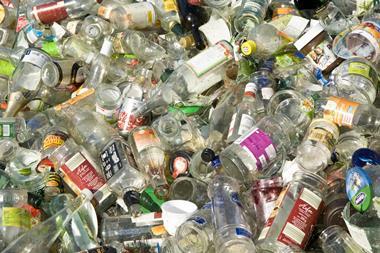
According to Defra, it is estimated that 25 billion single-use bottles and cans are bought across the UK, with more than six billion going to waste rather than being recycled, despite being made from highly recyclable materials.
That equates to over 17 million containers every day. A significant amount also ends up as litter. Research from the Marine Conservation Society found 96% of surveyed beaches were polluted with drinks-related items in 2023.
DRS will capture this lost value, reducing litter in local communities and keeping valuable materials such as aluminium, steel and resource-intensive plastics in circulation, extending their end of life and boosting the UK’s circular economy via improved recycling.
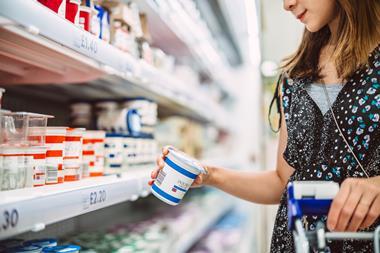
For retailers, this represents both a sustainability milestone and a major operational test. Stores will be on the frontline of change, managing returns, storing used containers securely and ensuring compliance – all while keeping queues short and customers happy.
What success looks like
More than 50 countries worldwide currently operate DRS. Norway’s deposit system consistently achieves return rates above 90% for plastic bottles and cans. Lithuania increased recycling of drinks containers from below 40% to more than 90% within two years of introducing its scheme.
Ireland, which launched in 2024, achieved a monthly collection rate of 73% after its first 200 days, and saw a near-50% reduction in the prevalence of plastic bottles and cans in litter in its first year.
Digital-first delivery
Robust digital infrastructure will help ensure the UK scheme runs efficiently. A smooth digital wallet system for refunds, rather than reliance on paper vouchers, will simplify and encourage participation.
Technology will also play a role in safeguarding the system. Advanced data matrix coding allows each container to be uniquely identified, reducing the risk of fraudulent or cross-border returns.
“Technology choice will be critical in determining whether DRS feels like a burden or a benefit. Modern RVMs have evolved significantly, with design now focused on minimising retailer intervention and maximising data insight”
Travis Way, managing director, EcoVend
Educate shoppers, train up staff
Success will also depend on how well shoppers understand the scheme. Public education and clear in-store communication well in advance of go-live will be vital – not just national campaigns, but local, retailer-led messaging on what is eligible, what is not, and why it matters.
Retailers will be the visible face of DRS. Giving staff the right tools, signage and information will avoid confusion and keep customer experiences positive.
The pressure points
DRS will introduce a host of new processes: accepting containers, maintaining equipment, allocating space and managing waste. The impact will vary by format. Large supermarket groups may be able to integrate multiple reverse vending machines (RVMs) in car parks or dedicated recycling zones. Smaller stores will often need to accommodate returns within more constrained layouts.
Cashflow is another area of consideration, particularly for independent retailers. Deposits are paid upfront when stock is purchased, while reimbursements follow – and any lag between the two may create short-term financial pressure.
Turning compliance into commercial opportunity
Yet DRS also presents a commercial opportunity. Evidence from other countries shows that stores offering convenient return points attract higher footfall, with shoppers returning containers more likely to make additional purchases.
Convenience retailers, in particular, are well placed to capitalise. Many already operate as community recycling hubs through parcel returns and refill initiatives.
Optimising RVMs, not just installing them
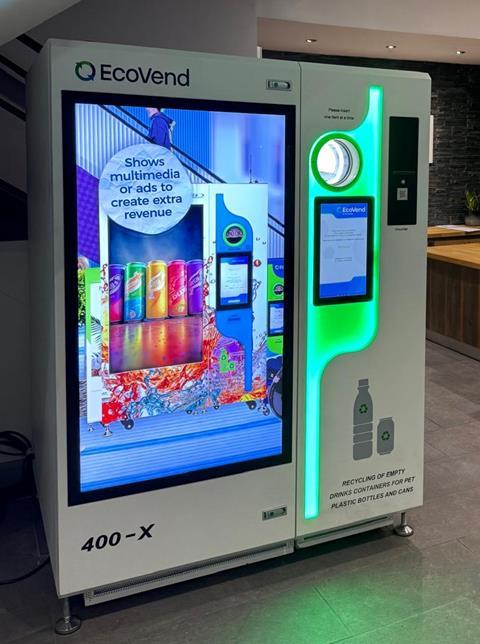
Technology choice will be critical in determining whether DRS feels like a burden or a benefit. Modern RVMs have evolved significantly, with design now focused on minimising retailer intervention and maximising data insight.
At EcoVend, we have seen first-hand how retailers can optimise returns by focusing on frictionless operation. Features such as large internal wheelie bins reduce manual handling, cut labour time and improve health and safety.
“Approximately 40,000 RVMs will be installed across the UK over the next four years”
– Travis Way, managing director, EcoVend
Beyond operations, data is emerging as one of the most underappreciated benefits of DRS. RVMs generate real-time insight into what is being returned, when and where. That information can reveal local buying behaviours, highlight products with strong demand that may not be stocked, and support more responsive procurement decisions.
There is also growing interest in advertising and promotional use. EcoVend’s machines include 55-inch digital screens that can be used for in-store messaging or brand advertising – turning mandatory infrastructure into a revenue-generating asset.
Designing for trust and participation
Consumer trust will ultimately determine participation rates. Shoppers need confidence that returns are simple, refunds are accurate and the system is fair. Offering options such as donating unclaimed deposits to charity reinforces positive associations and community engagement.
Clear signage, intuitive machine interfaces and well-trained staff all play a role.
Preparing now
While October 2027 may seem distant, the infrastructure required is significant. Approximately 40,000 RVMs will be installed across the UK over the next four years, estimates EcoVend managing director Travis Way.
Large retail groups have already begun issuing tenders and securing supply agreements. Engaging with suppliers early will be important, even at this stage.
Store layout assessments, staff training programmes and customer communication strategies will all need to be developed well in advance. For convenience retailers in particular, early planning allows operational adjustments to be made gradually rather than reactively.
Getting the balance right
If the UK replicates the 90%-plus return rates seen in Europe, billions of additional containers will be captured each year.
For retailers, the challenge is to move beyond compliance thinking. Those that treat DRS as a strategic opportunity – investing in the right technology, educating customers and using data intelligently – will be best placed to protect margins, grow footfall and strengthen trust.
Discover how EcoVend can prepare your store for DRS: ecovend.com | info@ecovend.com