




For grocery retailers navigating tighter margins and shifting shopper expectations, premium cheese is emerging as a category with clear ‘trading-up’ potential, according to award-winning cheese author, educator, and EU More Than Only Food & Drink campaign advisor Patrick McGuigan.
“It has taken a few years, but UK supermarkets are finally responding to the growing popularity of premium cheeses,” says McGuigan, “In the past 12 months, two leading British supermarkets have launched innovative grab-and-go concepts which replicate some of the features found in delis and independent cheesemongers, such as better lighting and more knowledgeable staff. For retailers, this signals that execution matters: theatre, education and improved ranging can help unlock higher spend per visit and reposition cheese from commodity to destination.
“The lockdown days of the pandemic undoubtedly kick-started the appetite for discovering new cheeses among British consumers,” he adds. “With cafés, bars and restaurants closed, cheesemongers and specialist retailers had to find new ways to distribute and sell large and varied quantities of cheese. Cheese box deliveries were perfect for the home dining experiences that consumers were seeking.”

That behavioural shift has had a lasting impact on in-store expectations. Many cheesemongers have continued to offer selection boxes of cheese and the growth of artisan cheeses has persisted. Sales of continental cheeses, largely imported from the European Union, have experienced the most growth, contributing £54m and 4.3 million kilos to the category between March 2024 and March 2025. For buyers, this underlines where incremental growth is coming from and where premium space allocation can drive value.
Research from 2025 shows that almost two-thirds of British consumers state that cheese makes a dish feel more premium. Specialist cheeses are especially popular among younger generations with 35% of those aged 25-35 purchasing artisan cheeses once a week. This presents a clear recruitment opportunity: younger shoppers are already engaged and willing to experiment, particularly when supported by clear signposting and inspiration.
McGuigan explains: “Recent years have seen increased interest in mould-ripened soft-rind cheeses, with consumers now confident enough to try stronger flavours and different textures. Social media recipes have encouraged this trend, driven by the visual appeal and melting qualities of Alpine cheeses such as France’s Raclette de Savoie Protected Geographical Indication (PGI) and Fontina Protected Designation of Origin (PDO) from Italy.
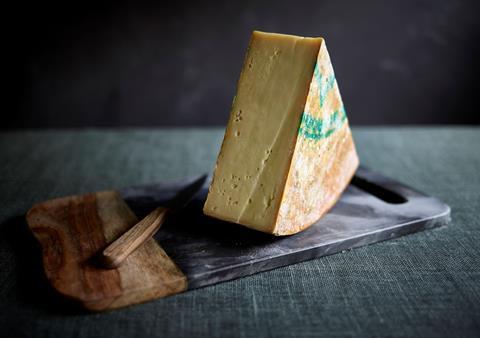
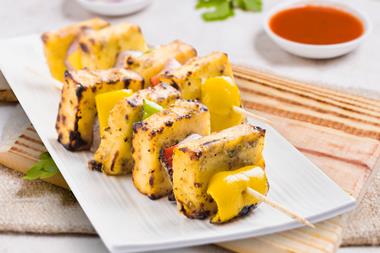
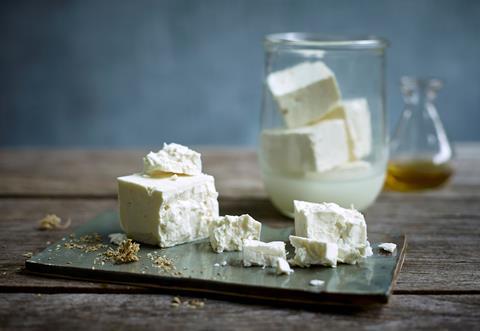
“Blue cheeses, in particular, are experiencing growth, thanks to their spicy and umami flavours,” he adds. “Consumers are using small amounts of blue cheese in recipes to add piquancy and spice to their meals. EU cheeses traditionally used in cooking, such as Italy’s mozzarella, Halloumi PDO from Cyprus and Greek Feta PDO are also selling well.
“For retailers, this signals the importance of balancing core cooking cheeses with more adventurous lines, using secondary siting and cross-merchandising to link to recipe trends and seasonal occasions.”
The wider cultural shift behind premium cheese
According to McGuigan, several wider factors are driving the demand for fine and specialist cheeses. Education and qualifications are playing a significant role. As a cheese tutor himself, McGuigan is seeing an increase in the number of consumers paying to learn more about the craft. An increasingly educated shopper base is more confident in trading up and seeking provenance-led ranges.
“Supermarkets have been slow to respond but we are now seeing a reaction to strong sales in artisan and premium cheeses”
– Patrick McGuigan, cheese author, educator and EU More Than Only Food and Drink campaign advisor
Cheese literature is also contributing to the category’s momentum. With three cheese books already in print, he is well placed to observe the category’s strength in publishing, saying: “There are now around 10 cheese writers in the UK with more cheese books launching every year and publishers actively seeking new titles about cheese.”
Beyond publishing, cheese is becoming a more prominent feature of food festivals, with cheese tastings and masterclasses now as popular as those for wine. He also cites a monthly cheese market in west London, which regularly draws in crowds of around 5,000.
At the same time, broader dietary shifts are supporting growth. Cheese has long been appreciated for its high calcium content; as consumers move away from ultra-processed foods, the natural production and high protein content of cheese are driving consumption among those seeking more natural ways to fuel their lifestyles.
McGuigan has long been a champion of the importance of cross-selling and more eye-catching displays in the cheese aisle. He is encouraged by recent investment in the category, adding: “Supermarkets have been slow to respond but we are now seeing a reaction to strong sales in artisan and premium cheeses.”
He concludes: “The displays present a much wider range of premium British and EU cheeses alongside accompaniments like chutneys, honey, wines, crackers and bread. Such installations provide a key role for EU cheeses, particularly those with PDO status, meaning they are produced, processed and prepared entirely within a defined region, and PGI status, where at least one stage of production takes place in the named area.”
What’s next for retailers?
Looking ahead, the opportunity lies not just in stocking more premium lines, but in curating them more intelligently. Retailers should consider clearer segmentation between everyday cooking cheeses and ‘special occasion’ or entertaining ranges, supported by stronger point-of-sale (POS) materials that explain origin, milk type, maturation, and flavour profile. Provenance-led storytelling around PDO and PGI cheeses can help justify higher price points and drive overall margins.
There is also scope to develop themed rotations, for example Alpine cheese melts in winter, Mediterranean cooking cheeses in summer, linked to recipe inspiration both in-store and online. Smaller format wedges and mixed selection packs can lower the barrier to entry, while cross-merchandising solutions (cheese, wine and accompaniments) can increase average basket spend.
Above all, the category benefits from confidence. As shoppers become more knowledgeable and experimental, retailers who invest in education, theatre and provenance will be best placed to turn premium cheese from a seasonal spike into a consistent, year-round growth engine.
For further information click here.