


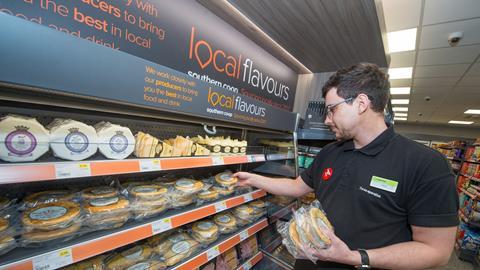
We broke arguably the biggest story of the week just a few hours too late for this week’s magazine. In the latest chapter of grocery’s very own soap opera, Southern Co-op has rejected an approach from the UK’s largest independent co-operative society, OurCoop, which appeared to offer an alternative to its proposed merger with the Co-op Group.
Those in search of fresh twists will be pleased to hear that correspondence between Southern and OurCoop has since been published on Southern’s website. While stopping just short of getting down on one knee, OurCoop’s letter set out its desire for Southern to remain independent, proposing the two societies “build on our existing relationship” and work more closely together.
Any dreams of running off into the co-operative sunset together were quickly dashed. Southern replied just a few days later, saying it remained focused on the Co-op Group deal and candidly revealing that last week’s merger proposal had been made out of ”financial necessity”, after ”exhausting all viable alternatives made available to us”. How special that made Co-op Group feel remains unclear.
Reports of behind-the-scenes rumblings suggest Southern Co-op members – who will cast their first vote on the proposals on 6 May – are far from enamoured with the deal currently on the table and the manner in which the merger has been announced. But for now, it seems there are precious few other fish in the sea.
Whisky all round
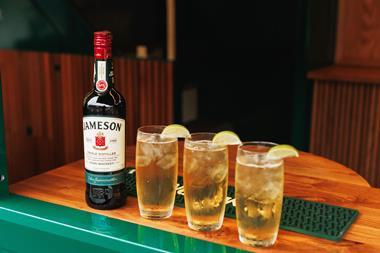
Also breaking today was the welcome news that whisky suppliers woke up to: the US is set to drop tariffs on imported scotch, following a four-day love-in between Donald Trump and the King.
Provided tariff-free trade on whisky holds (and the man in the White House doesn’t have another of his frequent and unpredictable changes of heart), Diageo looks to be one of the main beneficiaries. Analysts at Bernstein predict it could deliver a 1.5% boost to its FY27 profits, with CEO Dave Lewis likely to tell us more at the Johnnie Walker brand owner’s Q3 trading update next week.
The announcement came too late to have material impact on Pernod Ricard’s failed bid to merge with Brown-Forman, which was called off this week after weeks of ultimately fruitless talks. Drinks editor James Beeson explains what comes next for both Pernod and Brown-Forman. Merger or no merger, the French drinks giant has less to gain from Trump’s latest whim than Diageo, as Jameson – its main whiskey brand – is Irish.
In other Celtic news, the Scottish and Welsh elections are coming up next week and we’ve written a detailed report on what the different parties are promising. The most eye-catching was the SNP’s plans to make supermarkets impose a price cap on 20-50 staple items. It’s not the only bonkers plan, as you will see.
Elsewhere, it’s been a strong week for consumer volumes generally, with plenty of impressive results being reported as fmcg giants successfully pivot to volume-led models.
In the same week that volume growth was being described as a “matter of survival” for retail, Coca-Cola (and CCEP) won bumper growth, P&G’s volumes and sales were up, Mondelez’s volume decline abated significantly and Carlsberg, Unilever and Magnum all reported good volume growth.
It was almost enough to make one forget about the impending economic doom and soaring inflation, were it not for warnings from both P&G and Unilever to bring everyone back down to earth.
A grown-up conversation
Always interesting is the ongoing discussion around the huge shake-up over what food is defined as HFSS, with both food and advertising sectors claiming the government’s impact assessment on the proposed changes to the nutrient profiling model is ‘not fit for purpose’. They are preparing to challenge the evidence justifying the switch, which they say makes huge assumptions about how the new model will affect consumer behaviour.
That’s also the subject of editor-in-chief Adam Leyland’s leader this week, in which he argues that we need a grown-up conversation about what the right targets should be – something The Grocer hopes to achieve with its new Health Summit, launching this September.
Health continued to set the agenda elsewhere too, with the Food Foundation suggesting that grocery brands will ramp up prices to try and claw back some of the money lost to the rapid uptake of weight-loss drugs. The latest report reveals that an astonishing 8.25 million people in the UK have either taken, are taking, or are considering taking, the weight-loss jabs.
We also injected a bit of glamour into the news this week (sorry, not sorry), with a look at how the nature of celebrity brand deals has changed. It wasn’t so long ago that stars were happy to pocket a hefty fee to endorse a brand they knew very little about. But Gary Lineker’s deal with Walkers changed all that and celebs have realised there’s potentially even bigger money to be made by getting more involved. We take a look at what those deals look like now – and, most importantly, how they are making money.
As always, this is just a snapshot of the brilliant journalism we’ve worked on this week. We haven’t even touched on Lidl overhauling its loyalty app with a new points system, the interview with Modern Milkman founder Simon Mellin on how he’s brought the milk round into the 21st century, Tesco appealing for supplier support on its ‘food first’ strategy or restaurant brands Gymkana and Ottolenghi expanding their retail ranges as shoppers continue to trade up when dining at home.
And as ever, we’d love to hear what you think. Drop me a line at jacqui@thegrocer.co.uk, and have a great weekend.
No comments yet