The CMA is mulling extending a ban on restrictive clauses in property deals to the two discounters

For 16 years, seven of the UK’s biggest supermarkets have been banned from putting clauses in land deals that block rivals from opening stores nearby.

But Aldi and Lidl, whose UK store estates have grown the most in that time – from about 1,000 combined to more than 2,000 – are exempted due to their classification as limited-assortment discounters (LADs).

That could all change with the arrival of a Competition & Markets Authority consultation last week, which is looking at whether to add them to the seven retailers designated in the 2010 Controlled Land Order.

So, what did the 2010 order mean by LADs? And does the definition still fit Aldi and Lidl?

SINGLE USE ONLY

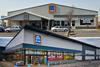
Between 2009 (top) and today, Aldi and Lidl have  become ‘supermarkets where you can do a full shop’, says Shore Capital’s Clive Black

The new consultation follows a near year-long CMA review of the rules, launched after supermarket bosses expressed concern over the differing treatment. Their frustration isn’t surprising, given each of the seven – Tesco, Sainsbury’s, Asda, Morrisons, Co-op, M&S and Waitrose – have been named and shamed by the CMA for breaches since 2020.

Aldi and Lidl were not included in the 2010 order because CMA predecessor the Competition Commission deemed them LADs. The CMA consultation is seeking views from stakeholders on whether the two should still be considered under that definition today.

The order was informed by a market investigation in 2008, when Aldi and Lidl were minnows. Using 2007 Verdict Retail data, the investigation determined they had combined market share of 2.8%, compared with 17.9% today [Worldpanel 12 w/e 22 February 2026].

As LADs, they also had smaller stores of between 5,000 and 15,000 sq ft, while ‘large grocery retailers’ had significant numbers of stores of 11,000 to 22,000 sq ft or larger.


Both discounters have since grown their store formats along with their share. Aldi now specifies new sites should be able to accommodate a 20,000 sq ft store, while Lidl requires unit sizes between 18,000 sq ft and 26,500 sq ft. Lidl’s Paignton store, introduced in September last year as representative of its latest format, has a net sales area of 16,000 sq ft.

While the 2008 investigation looked at store size, the more important factor was range, says Mark Jones, food & drink partner at law firm Gordons.

“The language of the order refers to LADs selling a significantly more limited range of groceries,” he says.

Rushden

The investigation said Aldi and Lidl “typically sell fewer than 1,000 products”, while large grocery retailers generally sold 5,000-10,000, even in the stores they operated of a similar size to the discounters.

In the case of Co-op, the investigation found the relationship between its range and store size was similar to that of Tesco, Asda and Morrisons.

The information was used in determining whether LADs provided consumers with an “effective substitute” for large grocery retailers, and therefore whether they occupied the same market.

The full shop

When considering that point today, the CMA will likely not have to look too far for evidence. Consumers are repeatedly found to be using Aldi and Lidl for their main grocery shop.

That’s confirmed by findings from a YouGov survey of 62,000 consumers provided to The Grocer. It asked: ‘In which one of the following supermarkets do you do most of your food/grocery shopping?’ Some 15% said Aldi and 11% Lidl. Only Tesco and Sainsbury’s were chosen by more, while Asda and Morrisons scored less than the discounters despite larger ranges.

In line with the 2008 investigation, the CMA wants to particularly consider range size. The consultation asks if Aldi and Lidl continue to “offer a range that is significantly more limited than that offered by the large grocery retailers”.

lidl store sign

Aldi says it now has a core range of 2,000 products, while Lidl claims fewer than 3,000. Both shy away from including seasonal ranges, trials and temporary lines such as those in their middle aisle.

Jones, head of Gordons’ disputes team, wonders if the logic will wash with the CMA.

Certainly, the consultation seems to leave interpretation open to respondents. “What do you consider to constitute a full range of groceries?” it asks. “Do you consider that Aldi or Lidl stock a full range of groceries?”

It also asks whether they are still cheaper than the other supermarkets – as Grocer 33 basket comparisons would ­consistently suggest they are.

The CMA is “particularly interested to hear of any examples where retailers have been unable to open a grocery store because Aldi or Lidl are not designated under the order”.

ALDI fruit and veg

Source: Aldi

For Shore Capital head of research Clive Black, the matter is clear-cut. Shore Capital reclassified Aldi and Lidl as limited-assortment supermarkets about seven years ago.

“The difference is around assortment,” says Black. “The big push for Aldi and Lidl was after the financial crisis [of 2008]. Around 2010-2011, they saw an opportunity.

“They started introducing materially more fresh and chilled food, premium ranges – Specially Selected at Aldi and Deluxe at Lidl – and they became supermarkets where you can do a full shop, as long as you’re happy with own label.

“Their market share rocketed and is now 18%, so the fact they are absent from any CMA classification of supermarket is absolutely absurd.”

The CMA says it has already gathered evidence from Aldi and Lidl and intends to gather more from both them and the large grocery retailers.

Jones says: “If I was Aldi or Lidl, I would say we still have many stores under the [size] threshold and we still have a significantly lower SKU count than designated retailers.”

Indeed, both Aldi and Lidl say they remain LADs and stress they comply fully with competition law.

An Aldi spokesperson says: “We are fundamentally different from full-price supermarkets with a significantly smaller range and a more streamlined operating model.”

Other stakeholders have until the consultation closes on 13 April to decide if they agree.