



My first real job was in a local newsagent, where, for £1.60ph, I learnt the essential skills of how to face rows of Kit Kats, smile politely at rude customers and restock the cigarette kiosk one-handed (we had to amuse ourselves somehow). Those first shifts taught generations of young people the importance of turning up on time, how to work as part of a team and, crucially, the satisfaction of earning their own money.
Today, that first rung on the career ladder is much harder to reach. The government’s latest figures show 981,000 young people aged 16 to 24 are not in education, employment or training (NEET). The Institute for Public Policy Research said the figures confirmed that “too many young people are still struggling to get a first foothold in work”, while the BRC’s Helen Dickinson called them “a stark reminder” of the scale of the challenge facing young people.
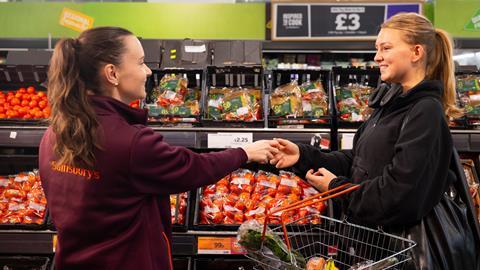
It’s no surprise, then, that Sainsbury’s new KickStarter programme has been so warmly received. The grocer will be creating around 10,000 work experience opportunities over the next year through a combination of its own initiatives and a wider industry pilot with IGD and The Careers & Enterprise Company.
The opportunities will combine in-school learning and practical experiences as well as exposure to the diverse careers available across the sector. That matters not only for the young people on the scheme, but for the future of grocery itself.
My choices this week:
- Unilever has put the historic mustard brand Colman’s up for sale in an attempt to head off competition concerns over the $44.8bn sale of its food business to McCormick. It follows the CMA opening a probe into the deal in July. Premier Foods and Associated British Foods have been fingered as potential bidders.
- A Costa cappuccino contains more than three-and-a-half times as much caffeine as one from Starbucks and as much caffeine as four cans of red bull, a new study by Which? has revealed. But why is there such disparity in the caffeine levels at popular UK coffee chains?
- Gousto has launched a range of ready meals as part of its strategy to “challenge for the mainstream dinner market”. Does it offer a hassle-free middle ground between scratch-cooking and ordering a takeaway?
- After last year’s EPR Treasury fiasco, the government is facing the possibility of a second industry plastics bailout in the space of two years after the cost of packaging compliance fees skyrocketed. The four UK governments have admitted they are considering mitigation, after changes to the way companies report their tonnages for reprocessed and exported packaging waste under the Packaging Recovery Notes (PRN) system led to mayhem.
- Aldi CEO Giles Hurley has gained an unlikely ally in his crusade against loyalty scheme discounts: The Poundland Pounder, an angry wrestler decrying “up-down” loyalty prices in a new ad campaign. Hopefully no one will tell him that Poundland had its own loyalty scheme with discounts for members until less than two years ago.
- The EU is due to ban the import of all products of animal origin from Brazil – including beef and chicken – next week. That could lead to a regulatory divergence within the UK, and a potential flood of displaced Brazilian meat into the country, something the meat sector warns could “severely impact the UK market and damage consumer confidence in British beef”.
- 2 Sisters Food Group is continuing to truck water into its Willand site in Devon more than six weeks after it temporarily ceased operations. To maintain production at the facility, the business has been bringing additional water in by road since mid-July.
- The latest round of shrinkflation has arrived. Tubs of Cadbury Heroes and Roses have shrunk by a whopping 14% this year, from 550g to 475g. Prices in Tesco and Morrisons have remained stable at £7, meaning shoppers face paying up to 15.8% more per kg for the treats this Christmas.
- Two Morrisons stores have been awarded a one-star hygiene rating after out-of-date and defrosted food were uncovered during unannounced inspections earlier this year. Reports released under the Freedom of Information Act revealed inspectors in Caernarvon Road, Cheltenham, found food for sale that “posed a risk to human health” while Aberystwyth was found to be selling out-of-date food for the third inspection in a row.
- Co-op Group has introduced strict minimum thresholds that stop claims on low-value missing stock for Southern Co-op’s franchisees in another blow for the indie convenience sector. In communications sent to retailers, which operate under the Welcome fascia, the new claims process was implemented on 1 July. It states they can no longer be compensated for cases of missing stock worth a retail value under £90.
Thanks for reading. We’re always keen to hear your thoughts, so please do email with any questions, comments or feedback on jacqui.parr@thegrocer.co.uk







No comments yet