
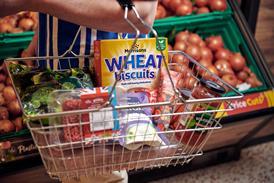





Walk down any supermarket aisle today and you’ll see how much our relationship with food has changed. We read labels more closely, question ingredients and look for products that feel natural and simple.
What’s interesting is how those same behaviours show up in the petfood aisle. Our own research shows that seven out of every 10 dog owners now actively check for simple, whole food ingredients in their pet’s meals.
For a long time, petfood was built around convenience alone. Dry kibble and traditional wet food offered that, and for many owners that was enough. But as pets have become more central to family life, expectations have shifted. Feeding a dog is no longer just a routine – it’s part of how people show they care.
We’re seeing owners approach petfood in much the same way they approach their own diets. They’re turning packs over, scanning ingredient lists and asking questions about where food comes from and how it’s made. Words like ‘natural’, ‘fresh’ and ‘nutrient-dense’ carry weight in a way they didn’t before.
Posh petfood
This isn’t just about premiumisation. Owners aren’t simply trading up – it reflects a broader shift in how food is evaluated. The same conversations shaping human diets are now influencing how people think about feeding their pets.
You can see it in everyday behaviours. More than three-quarters of dog owners say they feed their pets some form of human food, while almost seven in 10 are actively adding superfood ingredients such as bone broth, blueberries and turmeric to their dogs’ meals. Owners are also investing an average of £33 a month on human food specifically for their pets, reflecting how closely feeding habits now mirror wider wellness trends.
In many ways, petfood is following a similar path to human food. First came convenience, then premiumisation, and now a growing focus on transparency and simplicity. Expectations are evolving quickly, and the petfood category is having to keep up.
This presents both a challenge and an opportunity.
For retailers and manufacturers, it means rethinking what “quality” looks like. Ingredient lists are becoming shorter and more recognisable. Provenance matters more. How a product is made is no longer a background detail, it’s part of the story customers expect to understand.
Even packaging and in-store experience are changing. Shoppers are navigating the pet aisle in much the same way as any other food category, looking for reassurance, clarity and ingredients they recognise.
Quality and choice
At Pets at Home, we see this shift playing out every day. Customers are more engaged, more informed and more willing to explore different ways of feeding. Our role is to meet those expectations while still making feeding a complete and balanced diet practical, accessible and affordable for everyday life. And our store colleagues play a critical role in helping customers find the right solution for their pets.
Looking ahead, the category is likely to become more varied and diverse. Convenience will always be important, but there is a growing space for a greater focus on products that align more closely with how people think about their own food. This means simpler, more transparent options, rooted in quality ingredients, with convenience remaining an important factor, but not the only one when it comes to customer choice.
Momentum is building.
Because for today’s pet owners, this isn’t just about food. It’s about love. And increasingly, what goes into a dog’s bowl is expected to reflect the same thought and consideration as what goes on to the family plate.
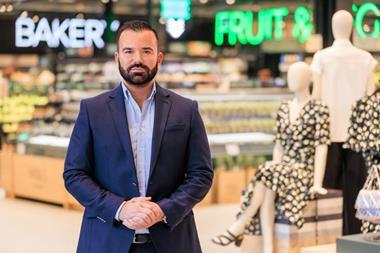
Anja Madsen is chief operating officer for retail at Pets at Home



No comments yet