
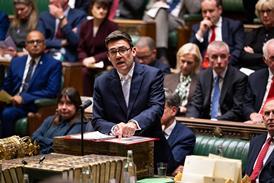


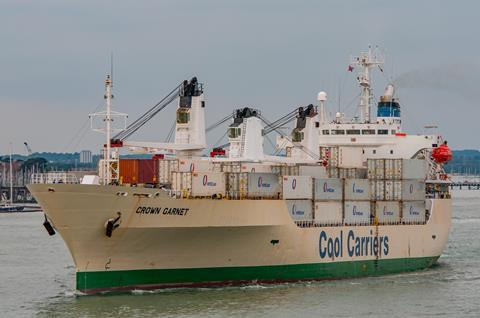
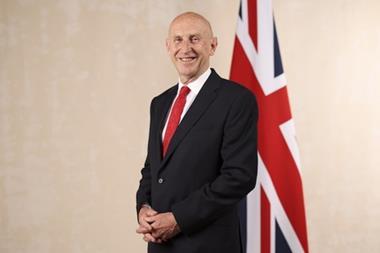
New prime minister Andy Burnham has been urged to “stop” the “avoidable” elements of the EU reset that “would make everyday fruit, vegetables and flowers more expensive”.
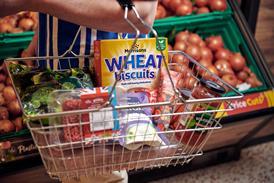
An open letter to Burnham by the Fresh Produce Consortium (FPC) this week cited the new PM’s cost of living drive, and warned he risked imposing a “self-inflicted” annual £300m hit to Britain’s shopping baskets unless he changed course on a key element of the proposed Sanitary and Phytosanitary (SPS) agreement with the EU.
Reiterating calls first voiced at the end of May, FPC CEO Nigel Jenney said the deal would “impose EU-style border controls on rest of world fresh produce” under its dynamic alignment proposals – something the importers that sourced 50% of the UK’s fresh produce demand did not currently have to endure.
The plan was “unnecessary and self-defeating”, Jenney added, with the UK already running “a proven, science-based, risk-led regime for this produce that achieves 99.5% compliance across roughly 120,000 consignments a year”.
A “minor adjustment” to the SPS deal would “settle the issue”, he claimed in the letter. “The prime minister has made the cost of living his mission – and we want to help him win it,” Jenney stressed.
“But here is the first test: will he stop his own government adding £300m to the nation’s food bills, for no measurable benefit?” he added.
“Nothing has changed in the science. What has changed is the politics. This is a transfer of burden, not a simplification – and it is British shoppers who would pay.”
Jenney’s calls come in the week the SPS deal was originally due to be signed off at an EU summit, which was promptly postponed after Keir Starmer resigned as PM on 22 June.
Industry sources suggest the technical side of SPS negotiations are largely complete.
The Cabinet Office told The Grocer further details would be announced “in due course”, while the summit would now be held “later this year”.
It comes as the boss of the Sevington Inland Border Control Post in Kent warned dynamic alignment – and the proposed closure of the facility once the SPS deal was enacted – could threaten the UK’s biosecurity.
Anthony Baldock, the corporate director of health & wellbeing at Sevington owner Ashford Borough Council, told The Grocer removing the facility would be a “huge backward step into the dark ages”, when it came to monitoring inbound food shipments from the EU.
More than £140m had been invested in the post since Brexit, creating 150 high quality jobs, which were now at risk, he added.
Instead of forging ahead with a “one-size fits all dynamic zone”, and disposing with the post-Brexit Border Target Operating Model (BTOM), which he said now worked well, the UK should “push back” against Europe over its higher SPS standards, Baldock argued.
“We know there are problems in Europe with issues such as foot and mouth and lumpy skin disease,” he pointed out.
But under the current deal proposals, the UK would “just ignore that” risk via dynamic alignment.
Such a move to eradicate SPS checks was “dangerous, because we’ll be putting ourselves at risk of biosecurity threats”, Baldock warned, citing the work Sevington did to stop foot and mouth from spreading to the UK last year. “We’ve kept the country safe.”



No comments yet