




Two sustainably minded brands have been castigated by the ads watchdog for making misleading claims about the eco-credentials of their babycare products.
Cheeky Panda and Kit & Kin were investigated by the Advertising Standards Authority after P&G complained about messaging on their websites.
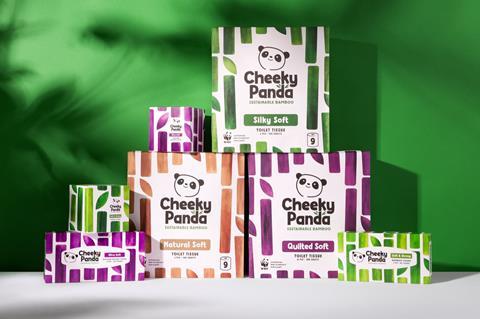
For Cheeky Panda, its website included a listing for Bamboo Nappies. It featured an image of the product’s packaging with text that stated: “sustainable bamboo”.
Further down the page, a section titled ‘Description & key features’ read: “Lining & absorbent core made from sustainable bamboo… Breathable bamboo means they’re gentle on baby’s bum and kinder to the planet… all while protecting the planet.”
Another section headed ‘Seriously good stuff’ included the text “Bamboo to the core. With a bamboo core and lining, our nappies use less plastic… and keep the planet smiling.”
P&G also took issue with the section titled ‘Choose bamboo, for the love of trees”. It stated: “Made from sustainable bamboo. Because trees belong in a forest, not circling down the loo or crumpled up in a wastebasket.”
Also on Cheeky Panda’s site, a listing for Bamboo Baby Wipes included an image of the product packaging with text that stated, ‘Biodegradable baby wipes’ and ‘Biodegradable fibres’. Accompanying text supported the claims.
P&G challenged the claims “Sustainable bamboo”, “100% sustainable bamboo fibre”, “Biodegradable baby wipes”, “Biodegradable fibres” and “Kinder to the planet … protecting the planet”.
The fmcg powerhouse also raised a complaint about Kit & Kin’s online claims – particularly on a page dedicated to the brand’s ‘eco nappies & wipes’ range. Text stated: “Protecting your world, naturally… High performance eco nappies … better for our world, every pack you purchase gives back by protecting acres of rainforest”. The page also feature images of Kit & Kin’s nappies, which were accompanied by the claim “sustainable”.
A listing for “eco nappies” included the claim “sustainable” and stated, “Made from sustainable, plant-based materials”. A further listing for “biodegradable baby wipes” stated, “99% water, biodegradable, 0% plastic”.
P&G challenged whether the Kit & Kin listings gave a misleading impression of the environmental impact of Kit & Kin’s products, and whether the claims “sustainable”, “Made from sustainable… materials” and “biodegradable” were misleading.
In response to P&G’s complaint, Cheeky Panda said it had intended the claim “sustainable bamboo”, while the claim “100% sustainable bamboo fibre” meant to describe the source material in their wipes – which were 100% bamboo viscose.
The brand also provided a certification from the fibre manufacturer related to the wipe material’s biodegradability – and had removed references to biodegradability from digital listings.
Finally, Cheeky Panda said it intended the claim “Kinder to the planet.. protecting the planet” to highlight how the material in its nappy linings and absorbent core differed from those used in conventional nappies. However, the brand had removed the claim from its website and other digital listings.
In its own defence, Kit & Kin insisted the claims “Sustainable”, and “Made from sustainable… materials” were references to the fact the products contained viscose and were produced in a carbon neutral factory. The materials used to make the top and back sheets of its nappies were Forest Stewardship Council-certified.
Further, the claims “Protecting your world”, “better for our world”, and “sustainable” referred to a number of factors, including the composition of Kit & Kin products, the brand’s environmental, social & governance work and B Corp status. However, it removed the claim “better for our world” following receipt of the complaint from the ASA.
In support of the “biodegradable” claim, Kit & Kin provided two manufacturer statements and an independent test report.
Complaints upheld
The ASA upheld all P&G’s complaints, saying the basis of Cheeky Panda’s “Sustainable Bamboo” and “100% sustainable bamboo fibre” claims “had not been made clear”. The watchdog also stressed it had “not seen evidence the wipes as a whole would break down in the way consumers would have understood”. And the wipes listing had not explained the basis of the “Kinder to the planet” claim.
With regards to Kit & Kin, the ASA ruled its listing had “not explained the basis of the environmental claims”, and there had been no evidence based on the lifecycle of the products to support the claims “sustainable” and “sustainable plant-based materials”. Nor had the ads regulator “seen evidence the wipes as a whole would break down in the way consumers would have understood”.
None of the listings ruled against were to appear again in the form assessed.
“We have always believed sustainability claims should be meaningful, clear and backed by evidence. This ruling is a helpful reminder of just how high the bar for clarity now is and we welcome it,” Julie Chen, Cheeky Panda CEO & co-founder, told The Grocer.
“Our aim was to highlight the properties of certain materials, but we recognise that our wording could have been read as a broader product-level claim. That distinction matters and we think it should be clearer across the whole category, so we’ve changed our language accordingly, and we’re taking responsibility for that.”
The brand continued “to invest in product-level evidence needed further to support clearer, more specific claims in the future, because if we’re going to say something, we want to be able to fully stand behind it”, she added.
A spokesperson for Kit & Kin said the brand was “extremely proud of our nappies & wipes range, which is used by thousands of families across the globe.
We noted the ruling of the ASA published today and have taken the feedback on board. While we are surprised at its findings, we are reviewing our marketing materials and will make any updates as necessary. The ASA’s decision reflects the fact that the tabs and leg cuffs on our nappies are not plant-based, and that the ‘biodegradable’ claim for wipes required clearer disposal conditions and timescales.”
The spokesperson added: “Further industry-wide guidance from the ASA is required, as words such as ‘eco’ and ‘sustainable’ are consistently used by other brands with comparable products. We have received reassurance from the ASA that this ruling reflects a broader shift in how certain terms are being applied across the industry, and we look forward to working with them as we continue our mission to develop products that use as many plant-based and natural ingredients as possible, offering planet-conscious families effective and gentle alternatives.”
A P&G spokesperson said: “We welcome the decisions made by the Advertising Standards Authority. We believe it is important that people receive science-based information about the products they buy so they can make informed purchasing decisions. We hope the ASA’s decision will help to reinforce best practices for science-based claims within the marketplace, serving fair competition and factual information for all shoppers.”






No comments yet