



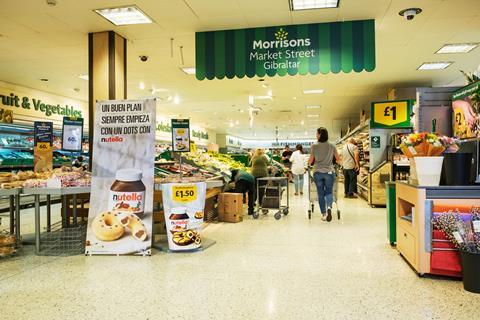
Supermarkets in Gibraltar – including UK giant Morrisons – are facing a scramble to avert shortages ahead of the implementation of a new post-Brexit treaty between the British overseas territory and EU in April.
A deal over the unresolved status of the territory known as ‘the Rock’ and rules governing trade and the movement of people across its border was agreed between the UK and Spain last June, as part of wider EU reset talks, paving the way for an end to a decade of uncertainty for the territory’s businesses since the UK voted to leave the EU in 2016.
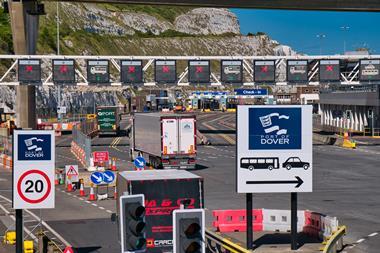
But with the date of the treaty’s 10 April implementation only being confirmed on 29 January, businesses supplying retailers in Gibraltar now have less than two months to prove their products meet EU regulations in relation to their composition, labelling and food safety – with the territory effectively becoming part of the bloc’s Schengen zone, offering free movement over its land border with Spain.
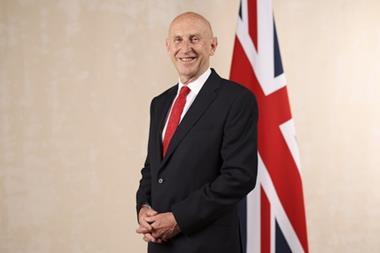
“This treaty ensures that Gibraltar’s economy, people, and future are protected as an integral part of the British family,” said Europe minister Stephen Doughty after its text was finally published on Thursday.
However, the “far shorter than anticipated” turnaround, plus the lack of guidance for traders around the transition to EU rules, posed “significant challenges” for business operating in or supplying the territory, warned several business groups in an open letter to the Gibraltar government this week.
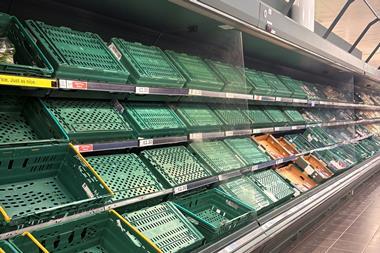
This scenario also raised the prospect of a potential shortage of many goods supplied from the UK to the Rock’s retailers, the groups added.
And the lack of information on the transition “compounds the already difficult financial circumstances many of our members will face from day one of treaty implementation”, added the letter, signed by groups including Gibraltar’s Retail Association, Chamber of Commerce and Federation of Small Businesses.
For many businesses, changes to taxation rules as part of the treaty also represented an effective increase in import duty of between 10% and 15%, the letter pointed out.
“The mood within the business community is one of concern, frustration and increasing anger at the circumstances now faced,” it warned.
Many businesses would “experience disruption to supply lines and product lines, face stock that becomes unsellable, lose substantial sums on existing contractual obligations, experience significant cashflow pressures, and see wholesale costs rise substantially”.
One major supplier told The Grocer supply issues on goods sent from the UK was “inevitable”.
Morrisons moves to ‘protect availability’ with raft of demands
Morrisons which, like M&S, operates one store in the territory, this week sent a letter by group trading director Andrew Staniland – seen by The Grocer – to suppliers calling for a raft of assurances their products complied with EU legislation by 4 March, in a bid to respond “at pace to protect availability for customers”.
Suppliers needed to ensure their products to supply detail in areas such as the use of additives, levels of contaminants and pesticides, while labelling, particularly for products of animal origin needed to carry revised health marks, details of an EU business operator and clear origin statements.
The Morrisons letter additionally warned products such as chilled red meat mince, raw sausages, minced poultrymeat, ungraded eggs, and mechanically separated meat from poultry, among others, were currently prohibited from being imported from third countries into the EU, which meant they would now also have to “unfortunately be de-ranged from the Gibraltar store”.
A Morrisons spokesperson told The Grocer it was “actively engaging with our suppliers to confirm their ability to meet EU regulatory requirements so we can continue to offer our customers in Gibraltar the products they want”.
An M&S spokesperson, meanwhile, said only a “very small number” of products in its store in the territory would be affected, with the retailer “working with suppliers” to resolve the issue.
The group of Gibraltarian businesses have called for financial support for companies directly affected by the treaty, alongside “clear and practical guidance on the treaty and its implementation” and a plan to “protect Gibraltar’s British commercial identity”.
Both the Foreign, Commonwealth & Development Office and Gibraltar government were approached for comment.




No comments yet