




UK food and drink exporters are warning of “significant challenges” as the Iran conflict intensifies, amid wider fears the war could also trigger an upturn in inflation and cause availability issues across multiple food and drink categories.
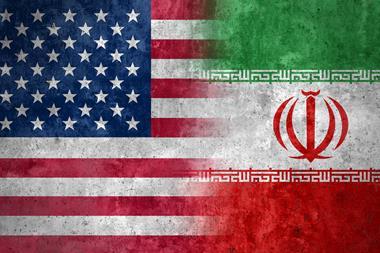
Donald Trump warned overnight that strikes on Iran by the US and Israel would continue for at least four weeks – having launched attacks on the country on Saturday.
“We’re ensuring the world’s number one sponsor of terror can never obtain a nuclear weapon,” the US president said in his first live comments on the conflict yesterday, while secretary of state Marco Rubio warned the “hardest hits” on Iran “are yet to come”.
And as the conflict rapidly escalates into an unpredictable regional war – with counter-strikes by Iran on US and western interests across the Middle East ongoing – experts are warning of already “seismic” impacts on the global economy, with oil prices soaring and trade flows set to be disrupted for many months to come.
Delays to shipping
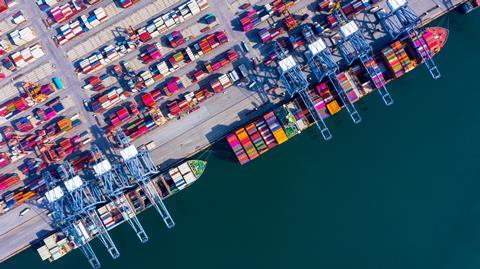
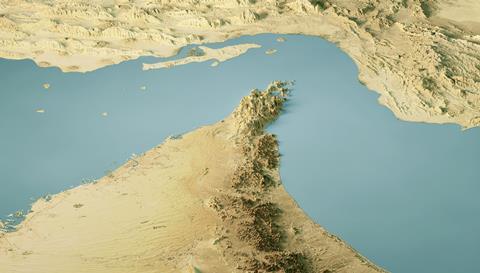
Many UK exporters had seen extended transit times and emergency [so-called war-risk cover] surcharges of up to $3,500 per container since the weekend, said Food & Drink Exporters Association chair Barney Mauleverer, with sea and air freight routes closed around the Persian Gulf and Iran’s blockade of the Strait of Hormuz causing a price shock in energy markets.
“They are having to reroute to alternative ports and seeing temporary service suspensions by key carriers,” Mauleverer added. “While the safety and wellbeing of all those affected remain our primary concern, these disruptions highlight the volatility of global supply chains and the need for agile, diversified export strategies.”

When shipping routes were disrupted, entire systems had to adjust “and it can take weeks, sometimes months, for schedules and equipment flows to return to normal”, said Richard Fattal, co-founder and CEO of London-based freight forwarder Zencargo.
“If this carries on, the result is fewer ships available where they’re needed, longer delivery times, higher transport costs, and less reliable schedules for both sea freight and air cargo.”
Import fears
Alongside issues for exporters, those looking to import produce from around the world are also facing growing disruption, according to commodity price reporting agency Expana.
It has warned products such as Asian shrimp could face tight supplies as shipments to European countries are delayed and rerouted via the Cape of Good Hope, while grain prices are also rising due to the disruption and Asian dried fruit and nut exporters are experiencing issues supplying key markets.
Expana reported on Monday that “almost all [Asian fruit and nut] carriers have temporarily suspended new bookings, and some services may experience schedule adjustments”, citing comments from exporter Agrinuts Vietnam.
Iran’s status as the world’s second-largest pistachio producer and a major producer of walnuts, almonds, saffron and dates also meant global supplies could be impacted, Expana suggested.
And even if the UK did not directly source from the region, tight supply could ultimately impact on the price of a multitude of globally traded commodities.
Inflation
Higher energy prices could also affect a host of other commodities vital to the food sector, said Expana market reporter Andrew Woods.
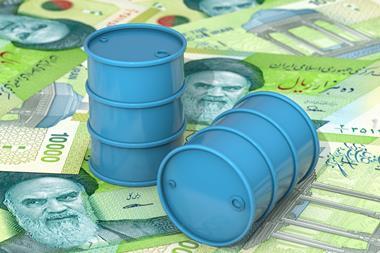
With roughly 20% of global crude oil passing through the Strait of Hormuz, Brent Crude oil prices spiked to $81 per barrel yesterday, hitting heights not seen since July 2024. European gas price futures have also surged by more than 30% in many cases after key producer Qatar halted production due to Iranian airstrikes.
“Strikes on energy infrastructure across the region only raises the severity of the crisis,” Woods said, pointing to how other commodities and feedstocks such as glass, plastic and fertiliser could also face supply disruption. “Sources are very much expecting increased feedstock prices, as well as production costs.”
Nobody knew how long the conflict could last, but “the potential impact on inflation could be much longer”, Woods added. “If food, energy and transport are all being impacted, we know how critical these things are to inflation.”
The conflict additionally raised the prospect of markets being flooded by displaced product originally destined for the Middle East, suggested Tony Goodger, head of communications at the Association of Independent Meat Suppliers.
“One scenario may see Brazil, the largest supplier of poultry to the Middle East and one of the world’s largest beef suppliers, likely looking to relocate exports into markets such as the EU, where they are now assisted by the Mercosur agreement,” Goodger said.
“In turn, this could drive down prices for European consumers, which may lead to more EU exports, especially Irish beef, entering the UK,” he added.
“As we have learned from previous conflicts in the region, disruption to the Red Sea and the Strait of Hormuz results in Southern Hemisphere shipping being re-routed via the Cape of Good Hope, adding 10-14 days to transit times,” Goodger said. “These delays increase fuel consumption by up to 40% and hike freight and insurance costs, which are eventually passed on to consumers.”




No comments yet