




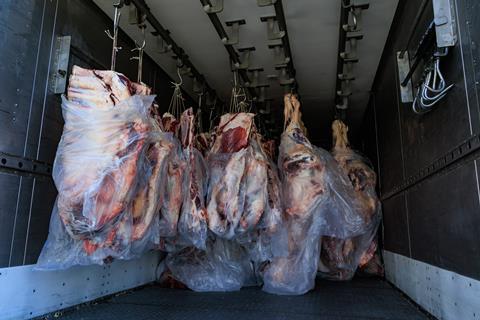
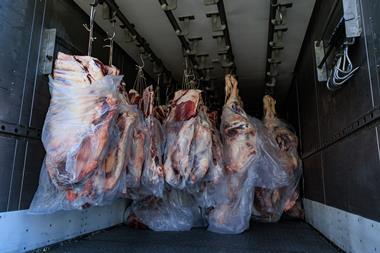
Growing concerns over the porous state of the UK border have been reinforced by new figures showing over 200 tonnes of unsafe food was seized by Ashford Port Health Authority since November 2024.
A total of 208 tonnes of food products deemed unfit for human consumption had been intercepted by officials over this period, with 39 tonnes stopped at the border and destroyed since 20 March of this year alone, the regulator said.
Examples of unsafe food ranged from infectious disease – such as lumpy skin disease, sheep and goat pox and African Swine Fever – plus contaminants such pesticides, heavy metals and other carcinogens. Produce could also be deemed unfit due to the unsanitary conditions the products were transported in or inadequate or no temperature control.
The figures highlighted “both the scale of activity at the UK border and the critical role played by Ashford Port Health Authority in protecting public health and safeguarding the UK against biosecurity risks”, the authority claimed.
“These are not minor issues or paperwork errors. The products identified and destroyed posed a genuine risk, including food that was incorrectly documented, improperly stored, or failed to meet UK safety standards.”
’Pathway’ to animal diseases
In some cases, such goods could also present a pathway for serious animal and plant diseases to enter the country if not identified and stopped at the border, suggested the authority – whose officials oversee checks at the Sevington inland border facility in the Kent countryside.
Ashford said it had invested in new technology – including the use of AI-driven systems to assist with import document checks – to “rapidly process large volumes of paperwork”, allowing officers “to focus their expertise where risk is highest and strengthening the overall effectiveness of border controls”.
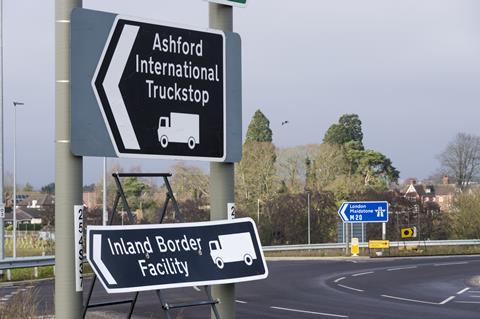
“We are continuing to strengthen our approach, combining experienced officers with new technology to ensure we remain effective as volumes and complexity increase,” said Ashford Port Health Authority corporate director Anthony Baldock.
Read more: Is food & drink ready for the EU reset?
It comes as Dover Port Health Authority confirmed it seized more than 14.2 tonnes of illegal meat in one week last month, and amid growing concerns criminals are taking advantage of lax border controls to bring illegal and often dangerous food and animal products into the country.
The Commons Environment, Food and Rural Affairs Committee last month warned criminals were swerving checks at Sevington in increasing numbers via so-called ‘drive-bys’, with the UK’s reputation for inadequate controls at Dover enabling criminal gangs to disregard regulations to “bring products into Britain that would not legally be sold on the continent”.
EU SPS deal fears
Ashford Port Health Authority has also previously warned the UK’s upcoming sanitary and phytosanitary deal with the EU – effectively taking the food sector back into the single market and reducing border checks – could exacerbate the problem of illegal and unsafe food being brought into the UK.
Speaking last month after Defra confirmed it was targeting the removal of routine EU border checks by June 2027, a “surprised” Baldock said “strong borders, vigilant checks and close collaboration remain essential to keeping the UK safe”.
“The large number of animal disease outbreaks we continue to see internationally, alongside the discovery of significant quantities of unfit meat entering the UK in recent years, demonstrates why effective border controls remain critical to protecting our farming sector and food supply,” he insisted.
Talks on the SPS agreement with the EU are ongoing, with a deal expected to be sealed within weeks. It comes amid reports over the weekend that the government was poised to introduce “fast track” secondary legislation – as early as the King’s Speech next month – that would allow it to align with EU rules using so-called Henry VIII powers that do not require the same parliamentary scrutiny of primary legislation.






No comments yet