





Nestlé plans to eliminate artificial food colourings from all its global products by the end of 2026, making it the first major food company to take such a step.
The goal comes as the food industry faces an ongoing backlash against artificial ingredients and mounting pressure from the rise of GLP-1 weight-loss medications.
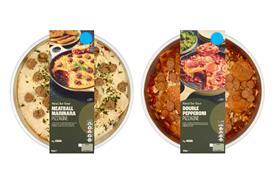
In the UK, it removed all artificial flavours, colours and preservatives from its confectionery in 2012 and will be now extending those efforts across categories and regions.
“By the end of the year we will have the global Nestlé portfolio free of artificial colours,” said Stefan Palzer, Nestlé’s technology chief, in an interview with Reuters.
Palzer said the transition was a significant undertaking and the decision “was not a slam-dunk”.
“We had to do a lot of R&D work because you have to screen all the natural solutions, then you have to test those natural solutions during production, and then also test their shelf-life.”
“We did it because consumers don’t appreciate artificial ingredients. They want simpler recipes.”
Seamus Higgins, an associate professor of food process engineering at Nottingham University, said this is “less about Nestlé setting the agenda and more about recognising where the industry is heading.”
He argued that with regulatory pressure mouting in many regions, particularly for products consumed by children, more manufacturers will come under growing pressure to make similar changes.
“Once a company the size of Nestlé commits to reformulation, it inevitably raises expectations across the industry. Reformulating products can be expensive, so companies generally don’t make these changes unless they believe regulation, consumer expectations and public health policy are all moving in the same direction.”
Mars promised to offer versions of M&M’s, Skittles and Starburst free of artificial dyes in August last year.
However, the confectionery giant has seemingly run into issues with both complexity and cost. The company has said extensive market research and product testing revealed not all consumers want natural dyes.
“We found that many of our consumers across the world do not, in fact, find artificial colours to be ingredients of concern,” it said in a statement last week.
US health secretary Robert F Kennedy Jr has suggested he may legislate to remove ingredients such as artificial food colourings from food due to their potential links to conditions such as ADHD, obesity, and diabetes. Many scientists said there was inadequate evidence to support such claims.







No comments yet