





With the recent call from MPs to further tighten outdoor advertising regulations for food and drink high in fat, sugar and salt, it makes sense to reflect on the impact we’re already seeing from the new rules introduced at the start of the year.
As with any new set of regulations, companies have had to change strategy to remain compliant, and this has led to an era of hybrid advertising. Businesses have always run a combination of brand and product adverts, and they still do. These used to run across channels freely, but the new rules mean that is no longer the case.
HFSS product advertising is banned on digital platforms as well as TV before a 9pm curfew. Outdoor and radio are exempt, although the CAP Code still requires HFSS adverts to be avoided when one in four or more of those who will see the ad are under 16. Some outdoor networks, such as those operated by TfL and several UK councils, have banned HFSS ads altogether.
The new regulations were flagged up in advance and so most companies were already building them into campaigns last year, because they wanted to be seen as responsible as they prepared for new regulation. These new approaches have led to two complementary strategies.
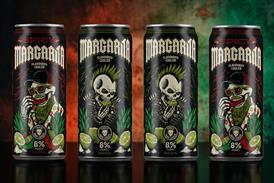
Where the law forbids product advertising, companies are running brand adverts, where a logo appears but no products, or they advertise a product variant that is not deemed HFSS, such as a ‘zero’ or ‘sugar-free’ option. This can obviously carry on into outdoor and radio but, as they are not subject to the new regulation, these channels are where companies can also run product adverts for variants that are deemed HFSS.
Why focus on advertising?
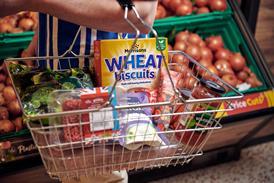
Advertising is becoming more important for food and drinks brands because the new regulations also prevent volume discounting on HFSS items, such as ‘three for two’ deals and multibuys. It also bans snacks being placed where they may be bought on impulse, such as a gondola end or where shoppers queue at the till.
With these promotional and positioning tactics banned, the onus is on advertising to drive new sales, and so understanding a campaign’s impact on food and snack sales has never been more crucial. Companies are asking whether their hybrid combination of matching brand and product ads to the approved channel is paying off.
It’s a pertinent question that has been asked over the years in different guises, because sweets and snacks are typically unplanned purchases. A shopper doesn’t always enter a store expecting to add confectionery or a snack to their basket, and so proving an advert drove a sale, rather than a product being bought on impulse, has traditionally been problematic.
To provide an answer based solely on data, rather than amplify a marketer’s hunch, you need to separate store sites into areas where advertising is restricted to only outdoor, radio or online, and then have a fourth where all four run together as an omnichannel strategy. The most crucial part, though, is a test cell where no advertising takes place. This gives a base level for what would have happened had the brand not advertised at all.
When this approach was taken for a well-known confectionery brand, we found that, averaged out across the advertiser’s range, the lifts for outdoor, online video and radio were 1%, 1.6% and 2.1% respectively. Working with advertising partner Blis, we found that omnichannel advertising delivered a far more impressive 3.5% rise. Interestingly, this was the only tactic that led to a positive ROI figure of £1.25 revenue lift for every £1 of budget.
The halo effect
In a post-HFSS regulatory landscape, there are a couple of observations confectionery brands will likely want to bear in mind as they adjust to a world without the in-store promotions and placement tactics they previously relied on.
Compliant advertising campaigns, which match adverts to each channel’s regulations, can demonstrably increase sales levels, but only omnichannel delivers a worthwhile ROI. Just as important to note, compliant campaigns can deliver sales lifts across an entire range regardless of whether a variant was advertised. This is because when a purchase is made, a customer may have seen one flavour advertised but will still go on to buy the option they prefer.
This halo effect is well known, and when the numbers are crunched we found it led to a 2% rise in sales for product options that were not advertised. It’s a sales lift that’s very easy to miss because retailers and brand marketers may not be looking out for increased revenue from lines that have not featured in a campaign.
For confectionery brands still finding their feet in a post-HFSS world, the data offers a clear direction: hybrid advertising, matched to the right channels and used as part of an omnichannel strategy, not only drives sales but lifts an entire range – including lines that never feature in the campaign. With gondola-end displays and value promotions off the table, delivering a strong return on investment has never been more important.
James Dunaj is partner success director at Circana



No comments yet