






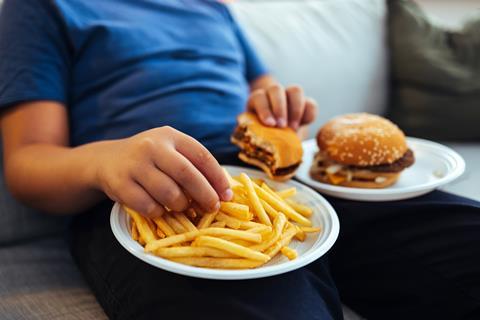
The government’s obesity strategy “moonshot” risks failing before it gets off the launchpad, 64 leading health groups have told it.
In an open letter to Chancellor Rachel Reeves, NGOs and medical leaders warned that it would be an economic disaster for the government to listen to calls from the food industry for a rowback on measures outlined in Wes Streeting’s 10-year NHS plan.
It says measures promised by the now departed health secretary are at risk of being shelved or watered down, amid industry calls for the government to help tackle the cost of living crisis.
The letter urges ministers to push ahead with a formal consultation on mandatory health reporting before Parliament breaks for the summer recess on 16 July.
It also calls for the government to ignore industry calls to abandon plans to apply the updated 2018 nutrient profiling model, with a consultation over the proposals due to end next week.
Earlier this week, the FDF issued a new report warning reformulation that has seen salt, sugar and calories slashed across hundreds of food products would be money down the drain if the government pressed ahead with the new model, which the BRC has claimed is “unworkable.”
Supermarket bosses have held face-to-face meetings with the Chancellor urging her to scrap the plan.
However, the Obesity Health Alliance, major health charities, medical royal colleges, campaign groups and healthcare professionals today urged the government to press on with its previous pledge to introduce a new healthy food standard within this Parliament, including mandatory reporting and mandatory targets.
The organisations said that delaying or diluting the measures would undermine the central ambition of the key aim of the NHS 10‑Year Health Plan to stop people becoming ill in the first place and to help create the healthiest generation of children ever.
It said the government must not repeat the mistakes of previous obesity policy delays, which it claimed had cost the country valuable time while diet‑related ill health has continued to rise and health inequalities have widened.
It said there was growing concern that key measures promised last year could be delayed or weakened – including applying the updated NPM to advertising and promotions restrictions, and introducing the healthy food standard, which would require large food businesses to report on and improve the healthiness of their sales.
Katharine Jenner, executive director of the Obesity Health Alliance, said: “The government’s prevention moonshot risks failing before launch if the very policies needed to deliver it are watered down before they even begin.
“Families are under huge financial pressure, but blaming health regulation for rising food prices is a distraction. There is no evidence these measures would push up prices – and no evidence that scrapping them would make food cheaper.
“Weakening these measures now would be a false economy. It won’t make food cheaper, but it will drive up the long‑term costs of preventable illness – from various cancers, heart disease and type 2 diabetes to dental decay – for families and for the NHS.
“This is a test of whether prevention is a serious plan or just a slogan. Ministers must stand firm, resist pressure to weaken these measures, and deliver on their promise to protect children’s health.”
Lauren Bowes Byatt, director of healthy life at Nesta, added: “This government set out an ambitious plan to end the obesity epidemic, but there is now a risk that this becomes just another footnote of failure in public health. The healthy food standard would help three million people live healthier lives and save our NHS a staggering £2bn every year, without hitting business revenue or consumer pockets.
”This is one of the single most impactful policies on the table to tackle obesity, but ministers must listen to the medical professionals and healthcare experts and act now to introduce this legislation within this Parliament before the opportunity is lost to further delay.”
Professor David Strain, BMA Board of Science chair, said: “Prevention must be at the heart of efforts to improve the nation’s health and reduce pressure on NHS services. Poor diet is a major driver of ill health, contributing to obesity and a range of serious conditions, including type 2 diabetes, cardiovascular disease and some cancers.
“Delaying action now risks storing up greater health problems and costs in the future. The government must remain focused on its commitment to prevention and take meaningful steps to support healthier lives for current and future generations.”
Last week, the government said it planned to publish its consultation on plans for mandatory reporting/targets within “the next few weeks”.
Natasha Burgon, director of health improvement at the DHSC, told the House of Commons health committee: “It is our clear intention to launch that consultation shortly.”
The Grocer Health Summit 2026 is helping the industry turn healthy eating insight into action. Covering everything from regulation to reformulation and science to strategy, the one-day conference will be taking place on Tuesday 15 September 2026 at the QEII Centre in London.
Visit thegrocerhealthsummit.co.uk to book your tickets and find out more.







No comments yet