
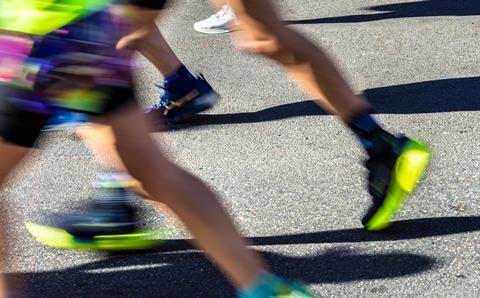
At this year’s London Marathon, 59,830 people set a collective World Record for the most finishers in a single marathon.
In the days that followed, a record 1.8 million people entered the ballot for next year’s race. That’s almost 2% of the entire UK population that took one look at the suffer fest and thought, “sign me up!
The growing popularity of the marathon suggests something is shifting in how people choose to spend their time. Increasingly, they’re seeking out experiences that are difficult, painful and sometimes even downright inconvenient – not despite the difficulty but because of it.
Why effort adds value
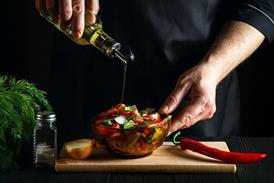
You can see this behaviour beyond sport. It’s there in the resurgence of scratch cooking, the return of vinyl records and the explosion of cold-water swimming. And I think it’s a signal of what some people are calling frictionmaxxing: the deliberate choice to do things the harder way.
It’s perhaps understandable. In a world that is increasingly automated and algorithmised, where convenience is ubiquitous, many of us are trying to reconnect with what it means to be human – to be present, to focus, to experience things singularly.
There’s something about activities that take more time that makes them feel more meaningful. Partly because conscious effort embeds memories and partly because we value the outcomes more. When things are harder, we tend to find them more worthwhile.
So, what does this mean for categories like FMCG, which have long focused on speed and convenience?
There’s an opportunity for brands to help people create richer experiences and become part of those moments. The result can be a win-win: generating a sense of achievement and value for consumers, while also building positive brand memories and lasting habits.
The opportunity for brands
The research backs this up. Perhaps the OG of frictionmaxxing is Ikea, which adds the considerable friction of making customers assemble their own furniture. Researchers have found that when people invest effort in this way, they value the product more – they called it the Ikea Effect.
We also see it showing up in rituals, the more deliberate, less convenient processes that people build around certain moments in their daily lives, whether as simple as making a cup of tea, or following daily wellness and sleep rituals.
Some brands have created their own rituals and moments of friction – the Guinness two-part pour, for example, or the Oreo’s twist-lick-dunk.
For product development and marketing teams, the opportunity lies in understanding where consumers find value in this brave, new frictionmaxxed world.
Find the rituals that people are creating and identify the additional role your product can play within them. That could mean designing for trends like ‘Sunday Reset’ or ‘Slow Living’, or creating meaningful experiences around the product itself: the serve, the occasion, the moment.
The brands winning in this space aren’t selling convenience, they’re selling permission to slow down, and with it, the potential for higher salience and retention.
Tom Gray is global chief strategy officer at Imagination
No comments yet