



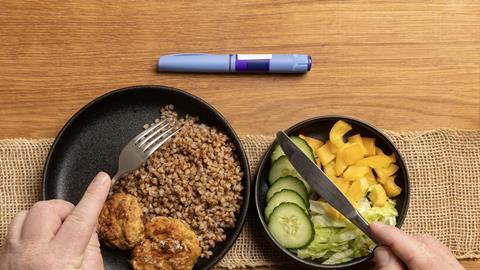
GLP-1 weight loss drugs could be the hidden ally in the fight to make food more sustainable, with consumers set to eat less than ever before
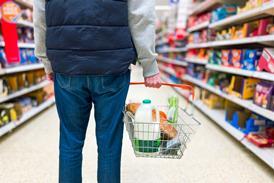
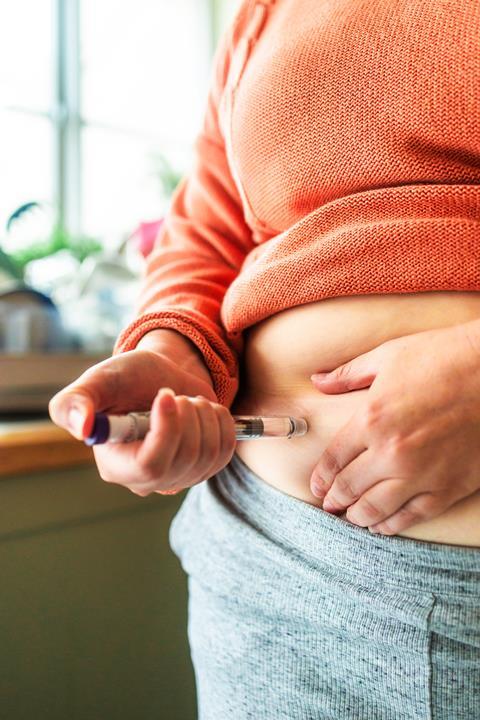
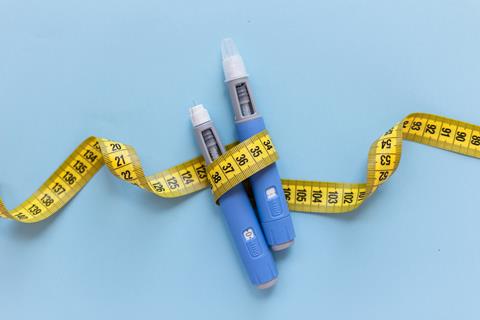
Through necessity or vanity, ever more people are taking appetite suppressants, like Ozempic and Mounjaro, with The Grocer reporting the share of UK households with at least one user has doubled from 2.3% to 4.1%.
Meanwhile, a 2024 Cornell University study found households with at least one GLP-1 user cut their grocery spend by 5.3% within six months.
“We can’t underestimate GLP-1s and the rise of generics as things start to come off patent this year,” Lauren Woodley, head of nutrition and sensory science at Nomad Foods, told a panel on food reformulation at the Sustainable Foods Conference on 28 January.
She later told The Grocer: “Users are not just consuming smaller portions, they are actively seeking out higher-protein options to maintain muscle mass across their weight-loss journey and nutrient-dense foods, to maintain a nutritional balance despite a reduced food intake.”
For Nomad Foods, appetite suppressants are part of a shift to boost the overall nutritional composition of food. However, this may go beyond nutritional density.
It could make our foods not only healthier but more sustainable.
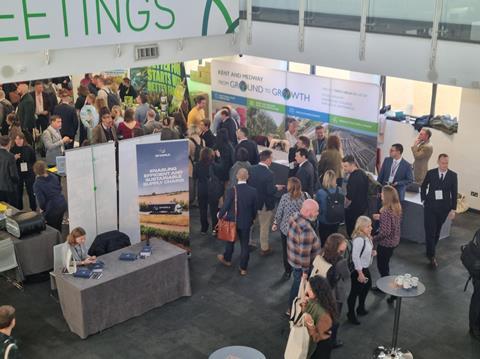
Henry Dimbleby, Leon and Bramble Partners co-founder, said at the same conference that they were “biggest change to the food system”, and their uptake “like nothing else we’ve ever seen”.
Read more: The GLP-1 gamble: why supermarkets are selling less for more
Spelling out the implications, he asserts food purchases will be subject to greater scrutiny by consumers seeking better nutrition pound-for-pound and eating less – which is quite a statement given civilisation was built on the back of surplus food.
“If that is true, we will be living in a very different world,” Dimbleby says. “With lower volumes of food eaten by people fundamentally for the first time.”
This is already having a direct impact on farmers. According to Reuters, GLP-1 weight loss drugs were a key factor in driving refined sugar beet prices down 33% in the US in October.
The idea of declining volumes would probably not be at the top of a British farmer’s wishlist, with skyrocketing input costs, the battle over IHT, and imports already troubling them, however it also offers an opportunity.
Wildfarmed co-founder Edd Lees told The Grocer it could be to their benefit if premiumisation proves fruitful and leads to the adoption of sustainable farming methods, like regenerative farming.
Unlike organic farming, there is no set standard for regenerative farming, although Wildfarmed touts its potential for better soil health, increased biodiversity, decrease in water pollution, and reduced carbon emissions.
“I think that GLP-1s will mean people eating smaller amounts of higher-quality food,” he says. “That will mean farmers being incentivised to grow, in my case, higher-quality grains that end up in humans’ mouths and, hopefully, will give incentives to UK growers to come on that journey and will hopefully take us out from having to rely on imports from God knows where”.
Consumers wanting greater transparency, traceability, and nutrient profiles could also prove beneficial for the environment, according to Lees, which would be revolutionary considering Defra reports agriculture accounts for 12% of the UK’s greenhouse gas emissions.
“I think there will be a plethora of positive things, whether it’s the fact that we grow with 3.7 times the number of bumblebees, or whether we are helping to minimise pollution in watercourses,” Lees adds.
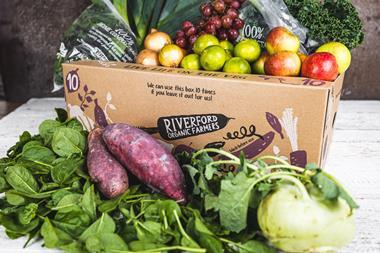
Riverford Organic CEO Rob Haward agrees there would be an opportunity to shift from quantity to quality, with an emphasis on production which supports biodiversity and environmental health.
Read more: Exclusive data: GLP-1s’ impact on UK food and drink consumption
“The opportunity is better farming, like organic and agroecological systems that produce nourishing food while supporting biodiversity and caring for the land,” he adds. “This could be a turning point, and a chance to rethink what we value in food, and to build a food system that puts fairness for land, animals and people at its heart.”
Organic food is already in growth as “more people seek out food they can trust” says Haward.
The Soil Association Certification reports the organic market in the UK saw significant growth in 2024, outpacing non-organic with sales hitting £3.7bn.
Despite the conceptual potential, the Soil Association’s head of food policy, Rob Percival, says that, at the moment, “we simply don’t know what impact GLP-1 drugs might have on the food system or agriculture”.
He warns that the food industry could go the other way and instead “seek to engineer products that break through the pharmaceutical appetite suppression these drugs induce” or move towards “specialist products” at a higher price point.
However, regardless of the impact of appetite suppressants, he asserts that the top priority should be for the government to ensure access to healthier diets based around whole foods through more support for organic and nature-friendly farming methods.





No comments yet