






As a nation of chocolate lovers, the recent drop in cocoa prices is welcome news. However, the cocoa market remains volatile, indicating greater opportunities for emerging cocoa alternatives.
The signals for alternatives are positive: 43% of Brits agree products made without cocoa but that taste similar to chocolate are of interest. And while alternatives have historically failed to capture the taste of true cocoa bean ingredients, advances in food technology, such as precision fermentation, plant cell culture and upcycling of food industry waste, are enabling the creation of cocoa alternatives that closely mimic the taste, texture, and mouthfeel of traditional chocolate.
Here are our predictions for the top chocolate alternatives to keep consumers sweet in 2026 and beyond.
Carob, cocoa pod fruit and more
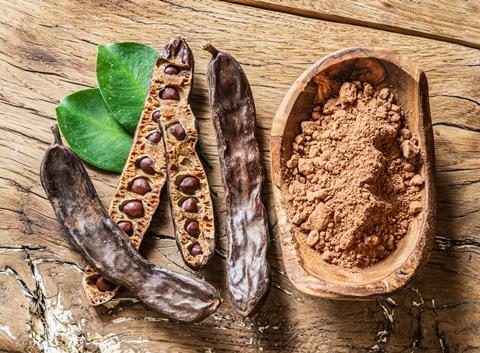
Once known as the ‘poor man’s chocolate’, carob is experiencing a resurgence as both an alternative and complement to traditional cocoa and chocolate-based products. If the surge in recent NPD is anything to go by, a new era for European carob is on the horizon.
Last year, British startup Win-Win partnered with German bakery giant Martin Braun-Gruppe to produce coating solutions for cakes and biscuits. Among other ingredients, their cocoa-free dark chocolate coating blends palm oil and sugar with carob powder.
While carob is largely grown in the Mediterranean, climate change is impacting the type of crop that is growable in the UK. We have seen wine and olive production shift to these shores, so there may even be a time when we produce home-grown carob.
Traditionally, chocolate production relies solely on the cocoa beans extracted from the pods, leaving a substantial amount of the cocoa pod fruit unused. Instead, these can be fermented, ground, roasted and then dried into ‘chocolate’ flakes. While upcycling in food and drink is most definitely on-trend, Mintel’s Global New Product Database shows that very few launches contain cocoa pod ingredients, demonstrating the untapped market potential.
Upcycled ingredients from grains, legumes and seeds are also making headway. For example, startup Planet A Foods’ cocoa alternative ChoViva is made from European sunflower and grapeseed ingredients, alongside imported cocoa butter alternatives like palm and shea.
Despite the potential for cocoa alternatives, premium chocolate ‘tablet’ brands will continue to tap into the demand for artisan production, high cocoa content, and long-standing heritage to signal quality.
However, these attributes are likely to be less important in products where chocolate is a secondary ingredient, like chocolate granola. Even at lower price points, the ability to deliver a compelling eating experience will be crucial if cocoa alternatives are to win over chocolate enthusiasts and, more importantly, achieve repeat purchase.
Emma Schofield is associate director for global food science at Mintel Food & Drink











No comments yet