




The fight for the lunchtime pound has never been fiercer. With premium options, member-only pricing and ever-expanding ranges, it’s clear that the UK’s “fixed-price lunch” era is under strain – and becoming increasingly confusing for shoppers.
Yesterday, Waitrose increased the price of its main meal deal by 10% to £5.50, making it the latest retailer to hike its pricing in one of grocery’s most keenly-fought battlegrounds.
The move was more of a symbolic shift than anything else, as by increasing its prices Waitrose is simply falling into line with the (premium) competition. But what does all this mean for the future of the UK’s beloved meal deal?
The true value of a meal deal
Far from being the simple sandwich-based bargains they were once billed as, meal deals are now a well-established multimillion-pound retail strategy.
While supermarkets might forgo the profit margin on the lunch itself, the deals are well worth the sacrifice, driving footfall, boosting basket spend, and, in the case of ‘member prices’, unlocking valuable first-party data.
And perhaps most importantly, consumers love them. Entire forums, YouTube videos and comment threads are dedicated to sharing the best combinations and revealing ‘hacks’ designed to squeeze the absolute best value out of the deals.
So how significant is the Waitrose price rise? In reality, not very. Tesco and Sainsbury’s already sit at the same level for their upgraded tiers and Greggs isn’t far behind, at £5.25. Even Asda launched a premium deal last month, offering what it describes as a “luxury lunch experience” for just £5.
Looking in more detail at the pricing strategy, it’s clear that meal deals haven’t necessarily got more expensive (see graph below).
Instead, they have split into two quite distinct price bands: core value deals (sub-£4, loyalty-driven) and premium deals at £5 and above. £3.75 has effectively become the average entry point for members, while the £5.50 price point has set a new acceptable premium ceiling, smashing through the previously long-standing £5 barrier without causing too much backlash.
World Cup wraps
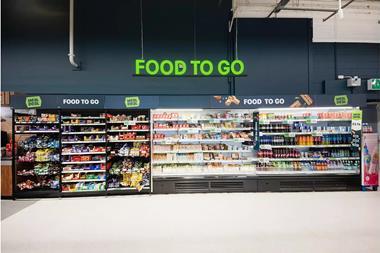
With a new price ceiling established, retailers are being forced to look beyond value. Instead, they are pushing hard to compete on range, format and occasion in their bid to continue driving daily footfall and capture the valuable lunchtime mission.
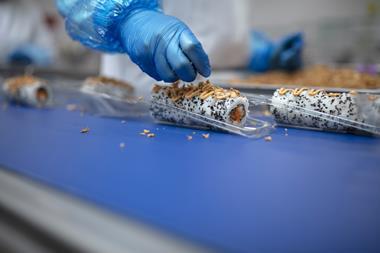
That means more new lines, more premium options and more limited-edition ranges, as well as hot food trials and breakfast options. Tesco’s ever-expanding meal deal range (such as the high-protein Asian prawn noodle with coconut and lime dressing), Asda’s hand-rolled sushi and Sainsbury’s World Cup-themed wrap are all part of the same playbook.
The aim is simple: keep meal deals fresh, relevant and habit-forming.
All this works to keep customers engaged with the format. Hacks make shoppers feel like they’re gaming the system, but meal deals don’t work because they’re cheap (although it definitely helps) – they work because shoppers feel like they’ve won.
For their part, retailers are nudging shoppers to trade up by focusing on premium growth and incremental ceiling price rises while protecting the core tier via loyalty pricing.
But how far can this go? Push prices too high, and the perception of value starts to fade. Overcomplicate the offer, and the simplicity that makes meal deals so appealing risks being lost.
For now, retailers are continuing to experiment with pricing, formats and loyalty mechanics, adding more tiers, more personalisation and more variety, whether its breakfast bundles, hot meals or loyalty-driven perks such as Waitrose’s free coffee.
The £5 meal deal hasn’t been lost – it’s just become the new middle ground.





No comments yet