



For the first time, the theme of International Women’s Day, ‘Give to Gain’, has the opportunity to go beyond 8 March. It’s commercial, purposeful, and inclusive. It has the power to deliver sustainable, long-term transformation for women and society.
And for grocers, it’s a call to action. Give to Gain calls for commitment. collaboration and societal change – for retailers to recognise that menopause is not a moment, it is a forever market. As part of that, retail has the potential to create a more inclusive society where menopausal women are given the opportunity to thrive.
Four years ago, menopause was seen as an awkward, medical niche. Now the conversation has shifted. But progress isn’t the same as transformation. Visibility and awareness alone aren’t improving the lived experience. We need to delve deeper into year-round understanding of this powerful shopper.
No single solution
There are one billion women globally experiencing menopause. In the UK alone, 15.5 million women are navigating menopause right now. And many of these women don’t know where to start or recognise what they’re feeling. There are 48 recognised signs of menopause, and most women can only identify between three to five of them. Menopause is a broad and unique experience, and there isn’t a single answer.
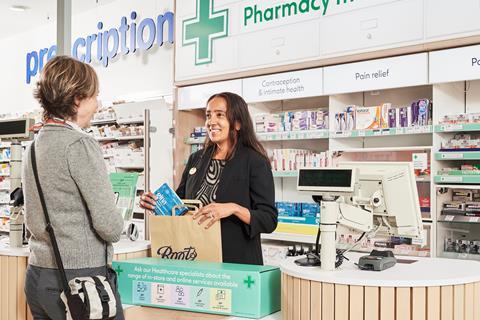
Solutions are scattered across categories. The responsibility to join the dots still sits with the woman who is already juggling work, family and ageing parents. Rather than providing convenience, visibility and trust, this creates friction.
Our research shows 94% of women want brands to be more inclusive of menopausal women. Some 87% percent feel overlooked. Only 36% believe retailers make products easy to find, and just 42% feel the right solutions are available to them. This International Women’s Day, I call on all retailers to give menopause visible, permanent space in store and online. To give it cross-category signposting and provide credible information that empowers choice rather than overwhelms, gaining the loyalty of menopausal shoppers.
Grocery has the largest reach of any retail sector. It touches millions of consumers weekly and employs hundreds of thousands. When the biggest grocers commit to menopause 365 days a year, the societal and commercial impacts will be significant.
Visibility and growth
Menopause is often framed solely as a medical issue, when in reality, it’s a life transition that half the population will experience directly, and the other half will experience alongside them. By creating visibility in retail we are also educating, normalising and supporting.
And when this happens, we all gain. We gain market penetration across health, beauty and wellness, but – with menopause impacting every category of retail – we also gain increased basket size and average spend.
International Women’s Day does a fantastic job of shining a light on women’s needs, but too often we see brands borrow the theme and quietly shelve it on 9 March. This year, let’s do more. Give trust and gain loyalty. Give category visibility and gain sustainable growth. When retailers genuinely engage with menopausal women, they uncover what consumers really want from modern retail: clarity, simplicity, trust and authenticity.
The opportunity to make 2026 the year menopause stops being seasonal is long overdue. This must be the year grocery acknowledges the most powerful consumer in its stores deserves more than a fleeting nod. I’m asking that in 2026 and beyond, retail steps up to give women what they want, need and deserve, to gain their trust and loyalty.
With ‘Give to Gain’, International Women’s Day has finally offered a theme we can all participate in. The reality for grocery is simple – it’s time for our gain-gain moment.
Heather Jackson is CEO and co-founder of GenM








No comments yet