
Close menu
- Home
- Retail & Wholesale
-
Products & Suppliers
- Back to parent navigation item
- Products & Suppliers
-
Product Categories:
- Back to parent navigation item
- Product Categories:
- Alcoholic drinks
- Bakery
- Cereals & breakfast
- Cheese
- Chicken & poultry
- Chocolate
- Confectionery
- Crisps, nuts & snacks
- Dairy
- Fish
- Fresh produce
- Frozen
- Household
- Meat
- Own Label
- Sauces & condiments
- Seasonal
- Soft drinks
- Vaping
- Vegan & plant-based
- World foods
- Suppliers
- People
- Reports & Data
-
Topics A-Z
- Back to parent navigation item
- Topics A-Z
-
Popular topics:
- Back to parent navigation item
- Popular topics:
- Cost of living crisis
- Crime
- Deposit Return Schemes
- Finance
- Government & Regulation
- Health
- Inflation
- Loyalty
- Marketing
- Mergers & Acquisitions
- New Product Development
- Sourcing
- Supply chain
- Sustainability & environment
- Technology
- Ultra Processed Foods
- Vaping
- A-Z all topics
- Content by type:
- Events
- Ask iA
- Subscribe now




The nitrate cancer debate is an opportunity to reset
By Tom Horvath Neumann2026-01-07T14:22:00
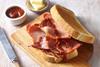
The existence of the nitrate debate points to a broader issue: our food system has become overly reliant on engineering solutions and artificial interventions, says Tom Horvath Neumann, founder of Properoni
Recent weeks have seen renewed debate around the use of nitrites in cured meats, with claims and counterclaims circulating across the industry. Although the science and regulation behind this topic are complex, the core question is simple: when additives like nitrites are used, are they helping or harming?
Already have an account? Sign in here
Already have an account? Sign in here