







Bio&Me co-founder Megan Rossi has called on the industry to establish clearer criteria for what qualifies as a genuine gut health product.
Rossi, who holds a PhD in gut health, is a dietician, nutritionist and author specialising in the microbiome. She is also the founder of supplement brand Smart Strains.
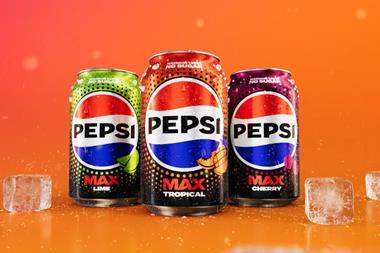
Speaking at The Grocer Health Summit on Tuesday (15 September), she warned that some soft drink brands were adding inulin – a soluble prebiotic fibre – to products that contained high levels of sugar and emulsifiers, then marketing them as gut health solutions.
Such a move risked making the “public sceptical and could damage a category with huge potential from both a business and health perspective”, Rossi said.
“We need to unite with retailers to develop more specific gut health criteria so consumers know which products are genuinely good for gut health,” she added.
Consumers were often confused by the growing number of gut health products and claims on the market, Rossi said.
“When people are saying, ‘I want good gut health, how do I get there’, they’re asking: ‘Do I have to take this prebiotic soda? Do I have to take a probiotic? What about these postbiotics? What about these polyphenols?’, they’re so confused,” she said.
She warned there was a “risk of throwing too much science at people that they get really overwhelmed”.
Joining Rossi on the ‘Trust your gut: monetising the microbiome’ panel at The Health Summit were Niamh Brannelly, head of nutrition and scientific communication at Danone North Europe, and Claire Hughes, head of health innovation at Tesco.
Brannelly, whose role involves translating scientific research into accessible consumer messaging, said shoppers wanted health claims to be “credible” and “evidence-based”, but communicated in relatable language rather than scientific jargon.
“They like to know they’re rooted in science, but they don’t want to have science all over them,” she said.
Her comments come after M&S last month urged the government to relax fibre labelling rules so brands and retailers could use commonly understood phrases like “gut health” instead of “intestinal transit time” to explain the benefits of their products.
Fibremaxxing warning
Meanwhile, Rossi also warned of the risks associated with the ‘fibremaxxing’ social media trend
“People are coming into clinics with gut issues because they’ve been fibremaxxing and having prebiotic drinks, and then they’re having fibre in their muesli bars and fibre in their ice cream,” she said. “Literally everything they’re having is loaded with fibre and their gut is not used to it.”
Consumers were then abandoning fibre altogether after increasing their intake too quickly and experiencing digestive discomfort, Rossi said.
“The gut is like any other muscle, which you have to train. You wouldn’t go from sitting on the sofa to running a marathon overnight,” she said. “We need to be really careful about adding fibre to everything”.
Tesco’s Hughes, meanwhile, said shopper interest in gut health was showing no signs of slowing, with demand remaining strong and innovation continuing across categories such as kefir.
“Gut health is really high up there [in consumer’s health priorities]. Fibre is helping with that.” she said.






No comments yet