





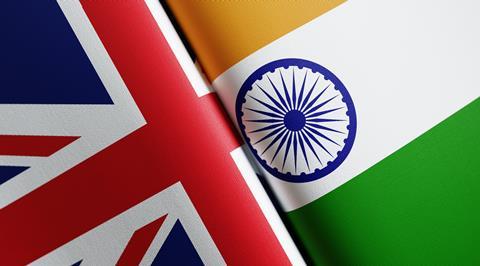
Planned 40% cuts to UK export support staff risks undermining the delivery of the UK-India trade deal, MPs on the Commons Business and Trade Committee have warned.
New analysis by the Committee shows initial duty savings for exporters to India could total £400m a year, potentially rising up to £3.2bn after 10 years as export volumes increase.
Signed last May, the agreement was hailed by prime minster Keir Starmer as a “landmark deal with one of the fastest-growing economies in the world, which will grow the economy and deliver for British people and business”.
However, the Committee warned its benefits and associated savings for UK exporters “may not materialise if the Department of Business and Trade delivers deep cuts to support staff without a clear plan to help exporters make the most of the new deal” – and failed to supply the resources required “to drive down India’s extensive ‘non-tariff barriers’”.
These barriers – including regulatory opacity, inconsistent implementation, state-level frictions, export health certification requirements and the expanding use of Quality Control Orders – “pose a material risk to UK exporters”, the Committee warned.
And while tariff reductions could “deliver real commercial benefits”, the issue of long staging periods, complex rules of origin and administrative burdens “risk limiting their use in practice, especially by smaller firms”, it added.
Outcomes were uneven across sectors, with MPs highlighting how stakeholders in the dairy industry, for example, had “raised concerns about limited reciprocal access to the Indian market”.
“This is the biggest free trade deal since Brexit with the potential to deliver billions in tariff savings for UK exporters, boosting growth and creating new jobs,” said Committee chair Liam Byrne MP.
“But parliament is being asked to ratify a deal promising billions in tariff savings while the government is simultaneously cutting nearly 40% of the export staff needed to help exporters make the most of this new bargain,” he added.
Byrne cited big cuts in headcount at the Department of Business and Trade as problematic, with the Committee “concerned whether the Department will have sufficient capacity to support exporters once the agreement enters into force”.
This was given added weight by confirmation from trade minister Chris Bryant late last year that government was “going to have to do more with less and with fewer people over the next few years”. The Grocer has also heard of growing concern by exporters that government support staff numbers in key export markets have reduced of late.
Byrne described the scenario as “a serious delivery risk”.
Ratification of the treaty – which started its passage through the Commons last week – was “only the start of turning a promise on paper into the prize of new profits”, he warned. “Ministers must now table a clear plan backed with real resources to make access on paper into exports in practice.”
Any cuts to support staff would be “disappointing”, despite the clear opportunities presented by the trade deal, said Barney Mauleverer, chair of the Food & Drink Exporters Association.
“Food and drink is the UK’s largest manufacturing sector but represents just 6.4% of total exported goods [ranking seventh, not including services],” he added.
“I am of the firm opinion that more resource is justified, not less – to boost our GVA, reduce deficits, employ more people and above all position the UK as a global leader in premium food and drink innovation.”





No comments yet