





Inflation has fallen to 3%, its lowest point in almost a year, according to ONS figures released this morning for January.
A 1.1 percentage point drop in food inflation to 3.6% from December’s 4.5% has contributed significantly to the fall in inflation, alongside a moderation in transport and household service costs. The Bank of England has set a target rate of 2% for overall inflation, and the fall to 3% in accordance with City forecasts has given fresh hopes for business that a new cut to interest rates will follow on 19 March.
BRC economist Harvir Dhillon said the fall in food inflation would offer “some relief for struggling households”.
“Shoppers will have been pleased to see the price of clothing, footwear and furniture dropping significantly on the month as a result of heavy discounting by retailers during the January sales. And there was further good news for customers as staples such as bread, cereals and rice all fell in price on the month.”
FDF lead economist Liliana Danila said: “It’s positive to see a lower rate of food inflation in January, however it still remains a real worry for household budgets and above long-term averages.
“After many years of rising costs, businesses across the supply chain have had their margins eroded, leaving manufacturers particularly susceptible to the supply chain shocks caused by geopolitics or climate change.
“We’ve previously seen the impact that this can have on inflation, with prices of ingredients like cocoa and coffee skyrocketing, so the UK’s recent extreme wet weather flooding farms is a concern for the year ahead.”
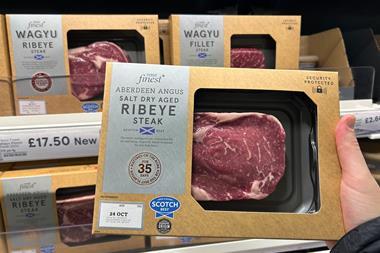
Despite slower price increases, several categories remained highly inflationary, with beef and veal continuing to lead the charge at 24.5% higher prices compared to a year ago. Whole milk followed, up 15.7%, and chocolate prices rose 14.7%.
But staples including olive oil, down 12%, and flour, down 6.6%, continued to drop in price.
“To help stabilise food inflation in the long term and protect shoppers from future price spikes, government must incentivise investment in business resilience,” Danila added.







No comments yet