



Volumes at supermarkets remained subdued as inflation ramped up in February, according to new figures released this morning.
Total take-home sales at the mults increased by 3.4% year on year in the four weeks to 22 February. However, growth lagged behind grocery price inflation, which nudged up to 4.3% in the period, having fallen for the past four months, data from Worldpanel by Numerator (previously known as Kantar) showed.
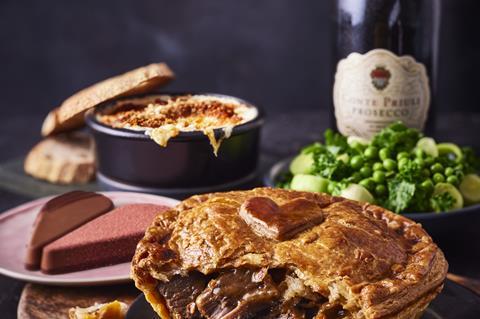
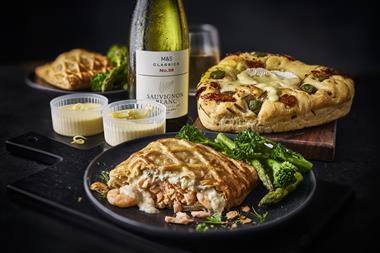
Shoppers did splash out on premium dine-in experiences for Valentine’s Day, with spending on high-end meals (priced at £10 or more) coming in at £39m in the week of the 14th, seven times higher than the previous week.
Shrove Tuesday also drove sales for the supermarkets, with sales of pre-made pancake mixes more than doubling in the week (+114%). But Worldpanel said shoppers paid more for their pancakes this year as the cost of key ingredients reached £7.77, an increase of 42p or nearly 6% on last year.
As the grocers prepare for the Easter uplift, Worldpanel warned the high cost of chocolate could hamper consumer appetite.
“Shoppers will notice that chocolate prices remain high, up 9.3% year on year,” said Fraser McKevitt, head of retail and consumer insight at Worldpanel. “While this is still a significant rise, the pace of inflation in the category is beginning to ease and is now at its lowest level since September 2025.”
Shoppers increasingly chose to get their shopping done online, with sales made through the internet up 9.7% year on year. More than 18 million orders were placed over the four weeks, taking the channel’s share to 13%, the highest level since July 2021.
“More affluent families in London and the south east of England are still the most likely to shop for groceries online,” McKevitt added. “However, the channel’s appeal is broadening, with shoppers from a wider range of economic backgrounds increasingly drawn to its convenience.”
It meant Ocado was once again the fastest-growing grocer over the 12-week period, a position it has maintained since September 2025. With sales up by 15.1%, the online specialist’s market share hit 2.1%, up from 1.9% in the corresponding 12 weeks in 2025.
Lidl recorded double-digit sales growth for the 12th consecutive period, up this time by 10%. Taking an additional 0.5 percentage points of share, the discounter outpaced bricks-and-mortar competitors and now accounts for 7.8% of the market.
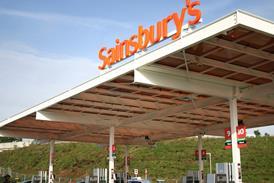
Sainsbury’s increased market share to 16.1%, up from 15.8% a year ago, as sales rose by 5.2% over the 12 weeks. The retailer attracted an additional 400,000 shoppers through its doors during the period.
Tesco saw sales grow by 4.5%, lifting market share to 28.5%, 0.2 percentage points higher than in 2025.
Sales at Waitrose grew 5.6% – the grocer’s highest rate of growth recorded since March 2021 – and its market share increased to 4.8%, up from 4.7% last year, the highest level in three years.
Sales at Aldi rose by 3.1% year on year, delivering a 10.1% share of the market. Iceland maintained a 2.3% share, with sales up 2.7%, while Morrisons holds 8.4% of the market following a 2.3% increase in sales.
Asda and Co-op account for 11.5% and 5% of the take-home grocery market respectively, with sales falling 2.6% and 1.6% at the two.



No comments yet