



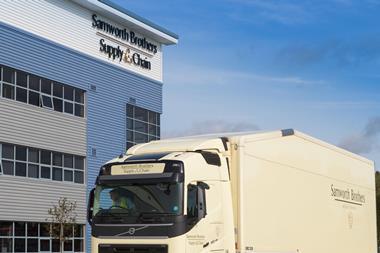
Samworth Brothers’ mountain of debt has soared to almost £200m as the family-owned group continued to plough record sums of investment into its factories, newly filed accounts have revealed.
The Leicestershire-headquartered food manufacturing giant spent another £87.4m on projects in 2024, including expanding the Bradgate Bakery site, increasing capacity in the protein business and improving efficiency and upgrading machinery in Cornwall.
It took capital expenditure at the group to £228m across the past three years, which Samworth said would “strengthen the foundations of our business for generations to come”.
However, net debt ballooned to £190m as a result, compared with £157m in 2023 and just £60m in 2022.
Samworth increased its revolving credit facility from £150m to £190m during the year to shore up the balance sheet. At the year end, £140m was drawn down on the facility, accounts showed.
The black hole in the pension scheme stayed steady in 2024 at £94.5m. The deficit has been reduced from almost £150m in 2022 as Samworth made a one-off accelerated contribution last year.
Samworth also paid a interim dividend of £19.5m to shareholders in 2024, up from £12.4m in 2023
Revenues at the group rose 6.2% to £1.7bn following the completion of the acquisition of food-to-go supplier Real Wrap in April, as well as new business wins over the past two years.
The increase came despite the easing of selling price increases, compared with 2023, as the group applied “significant” effort to mitigate increased input costs.
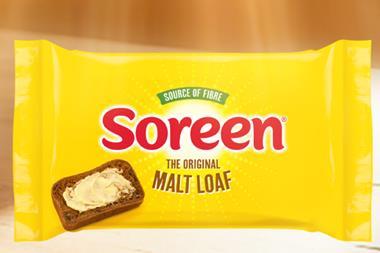
Profits at the owner of Ginsters and Soreen also jumped in 2024 as the business expanded margins thanks to cost-cutting measures, product reformulations and increased automation.
Gross margins recovered from 17.6% to 18.3% in 2024, helping operating profits, before exceptional costs, climb 44% (or £19m) to £62m.
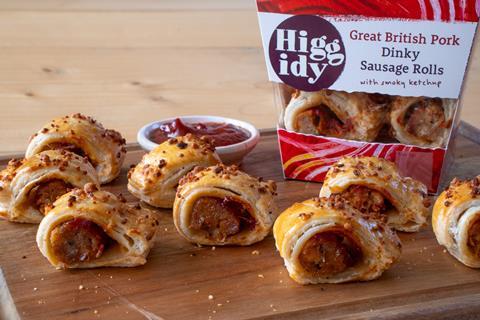
However, Samworth incurred one-off charges totalling £17.5m as it wrote down the value of its underperforming Higgidy brand by £15.4m, wrote off its £1.2m investment in The Cheese Geek, which collapsed earlier this year, and took on a further £800k of costs from the closure of its plant-based Revolution Kitchen. It follows the £22.5m of charges registered in 2023, including £8.2m associated with Revolution Kitchen and £13.4m for writedowns at Higgidy.
This left pre-tax profits – after interest payments of £20.8m – at £24m, a considerable improvement on £6m in the prior year.
Samworth said the record levels of capital invested in the past three years contributed to the fattened bottom line due to improved reliability and productivity across its operations.
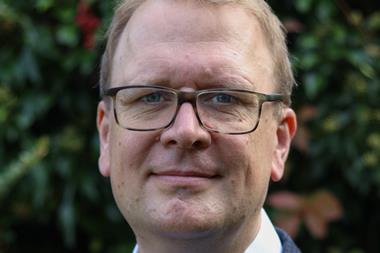
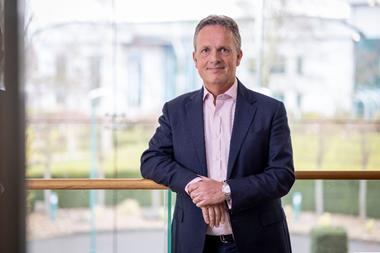
CEO Simon Wookey, who replaced Hugo Mahoney in July 2024, said 2024 was “a successful year” for Samworth Brothers in which it made “good progress”.
Chairman Mark Samworth added in the annual report that 2025 would be “a challenging year”.
“Overcoming the sudden imposition of significantly increased labour costs whilst reducing our energy intensity will require insight and discipline,” he said.
“Meanwhile, the government’s punitive family business and farms tax risks undermining our sector in the long term. We will rise to these challenges, of course, but they are unwelcome distractions from our aim of doing good things with great food.”
Samworth highlighted progress made with its sustainability targets in 2024, including an 11% reduction in Scope 1 and 2 carbon emissions and a 67% reduction in fluorinated greenhouse gases thanks to switching to natural refrigerants.
It also reported a 48% increase in surplus food redistribution on 2023, an increase of 554 tonnes, and gave more than 1% of profit before tax to charitable causes.



No comments yet