




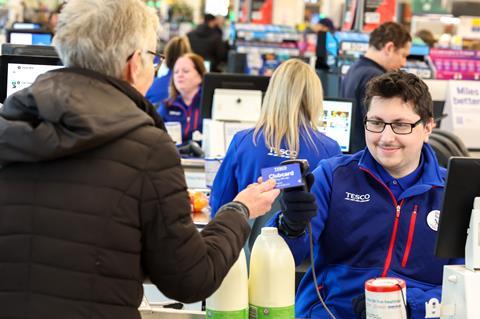
Tesco Clubcard and Boots Advantage Card loyalty data is being analysed by researchers in a study to assess whether customer purchase patterns can indicate early symptoms of cancer.
By analysing past purchases of over-the-counter medications by patients with a formal diagnosis of cancer and a healthy control group, Imperial College London researchers hope to “reveal subtle trends which could be used to flag the early signs of disease” and lead to much earlier medical interventions for a variety of cancers.
The CLOCS-2 study (Cancer Loyalty Card Study 2) is currently recruiting up to 3,000 volunteers across the UK, making it one of the largest studies of its kind, the researchers said.
“This study ultimately has the potential to revolutionise how we can use everyday data to understand and improve people’s health,” said Professor James Flanagan from Imperial’s Department of Surgery and Cancer, who is leading the study.
“Picking up on such relatively minor changes to people’s shopping habits could help nudge them towards speaking to their doctor for further investigation, potentially catching and treating more cancers earlier,” he added.
The study builds on previous work – similarly funded by Cancer Research UK and using Tesco and Boots loyalty data – which demonstrated differences in purchasing behaviour of pain and indigestion medication between women with and without ovarian cancer, up to eight months before a formal diagnosis.
The new study will expand the scope to investigate 10 specific cancer types: bladder, colorectal (bowel), endometrial, liver, oesophageal, ovarian, pancreatic, stomach (gastric), uterine, and vulval.
Many of these conditions can often present with mild or non-specific symptoms, such as bloating, indigestion, or fatigue, which often lead people to self-medicate with over-the-counter products before seeking medical advice.
Flanagan said that while the link between some products purchased and certain cancers might be expected, such as laxative purchases for colorectal cancer, that was not always the case. “In our previous study, indigestion medicines turned out to be linked to shoppers with ovarian cancer. So part of this study is very much about finding out which products are in play,” he explained.
If CLOCS-2 is successful, the researchers hope to launch an intervention study to monitor the purchasing data from consenting healthy individuals for specific ‘triggers’. This could pave the way for a digital alert system that prompts shoppers to seek medical advice based on their specific, personal purchasing behaviour.
The study “is an inspiring example of what’s possible when retailers, researchers and charities work together to connect different data points” said Marc Donovan, healthcare development director at Boots.
“Over a quarter of the UK population has a Boots Advantage Card, and this study represents the potential for everyday shopping data, when used responsibly, to be a powerful tool in helping customers spot and act on early healthcare warning signs,” he added.
Oonagh Turnbull, head of health and sustainable diets campaigns at Tesco, said: “We hope that with the help of our customers across the UK taking part and volunteering to share their Tesco Clubcard data, more lives can be saved by detecting certain cancers early.”






No comments yet