




As the grocery shopper journey splinters across apps, social and AI, retailers face a new imperative: not omnichannel, but omnipresence. We look at how grocers can stay relevant at every touchpoint without spreading themselves too thin.
Forget omnichannel. Today’s supermarkets need to be omnipresent to keep pace with modern shoppers.
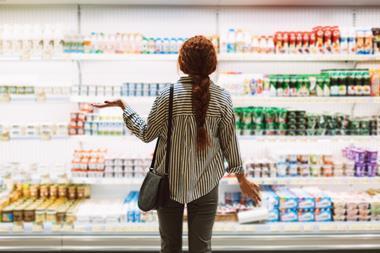
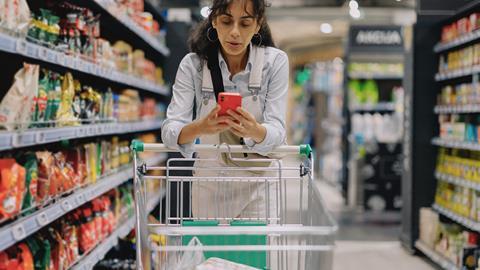
The average grocery purchase now unfolds across multiple digital and physical touchpoints. Consumers are discovering new brands while scrolling on social media, asking LLMs for recommendations for easy midweek meals, comparing prices and promotions across multiple supermarket websites before – finally – heading into a store (or two) to complete the purchase.
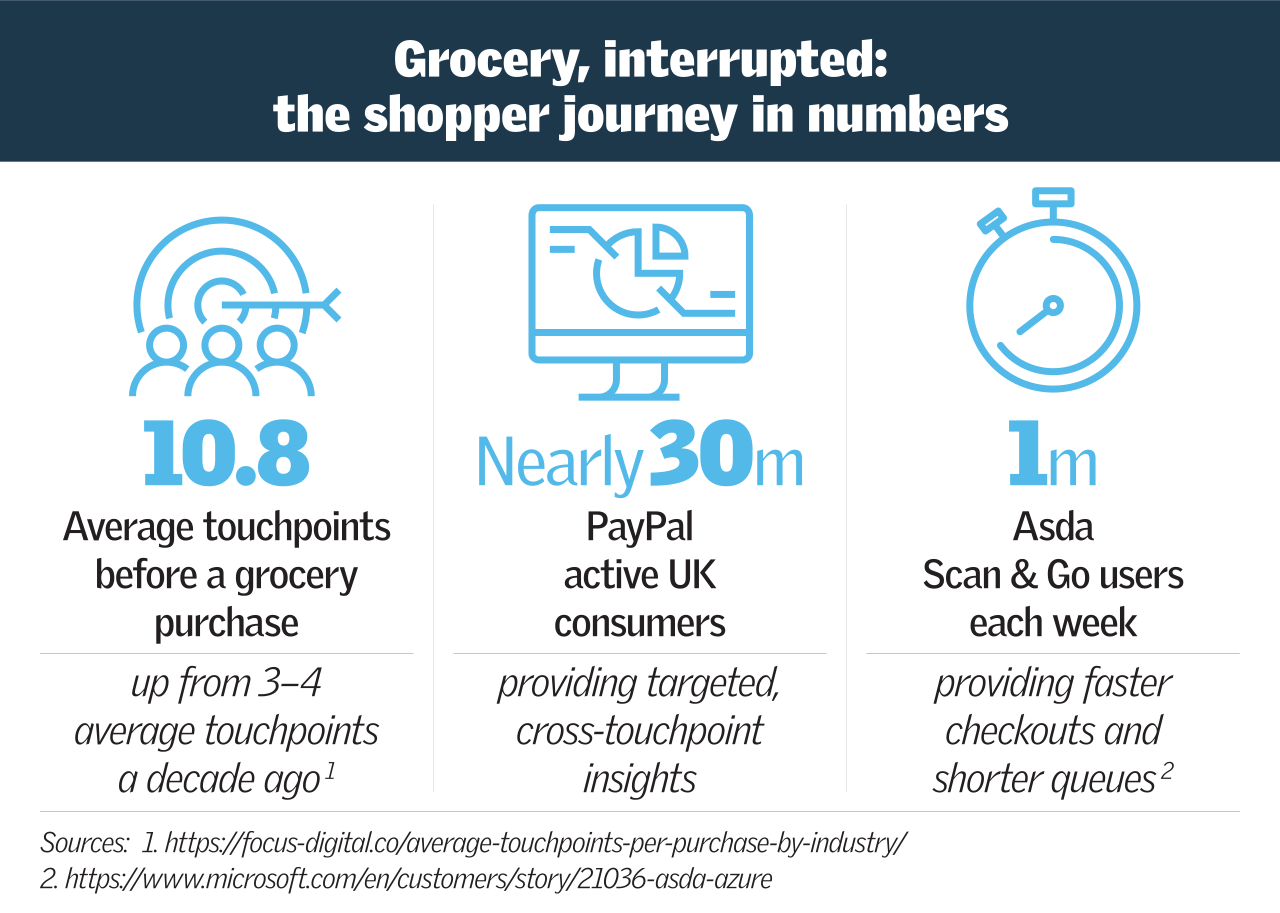
In fact, in 2025, shoppers interacted with an average of 10.8 touchpoints [Focus Digital] before completing a grocery transaction, according to SEO specialist Focus Digital.
For grocers, this new splintered shopper journey can be a minefield to navigate, stretching resources and introducing potential friction at every turn as they attempt to stay visible and relevant anywhere, everywhere, all at once.
So, how can they better get to grips with the challenge?
Fighting off friction
The reality is, with multiple touchpoints come multiple opportunities for friction, flags Sean Douglas, senior UK director at PayPal. “That’s the challenge for a lot of retailers when we speak to them,” he says. “The spend is fragmented more than it has ever been. And it’s going to continue to be fragmented going forward.” A decade ago, the access points grocers were managing may have totalled three or four. Now it’s likely 10-plus, he points out.
For each of these touchpoints, a retailer will need to establish a go-to-market or engagement strategy, adds Douglas, whether that be signposting a shopper toward one of their express stores or facilitating a large home delivery order from a big-box store. In each case, they’re juggling how to target customers, pricing, messaging and sales – all while trying to remain profitable and delivering a consistent experience. “And if they’ve not optimised for every part of that journey, then that’s where the friction comes in.”
The friction might include inconsistent pricing, poorly targeted messaging, confusion around fulfilment or an overly complicated checkout process. But whichever form it takes, it’ll fall short of what shoppers expect in today’s commerce landscape, believes Sam James, head of retail and connected commerce at creative agency Zeal. “Consumers don’t distinguish between physical and digital anymore. They move effortlessly from social media to search engines, AI assistants to retailer apps, loyalty offers to store aisles, often without realising it.” And, as a result, they have little patience for anything that feels jarring or disjointed.
“Omnichannel is becoming an outdated ambition,” says James. “The new goal is omnipresence. But being everywhere isn’t enough. Nobody wins by shouting louder across more platforms. Retailers need to be relevant wherever shoppers are making decisions. The question has shifted from ‘How do we drive people into our ecosystem?’ to ‘How do we become the easiest choice wherever they are?’”
Curating for consistency
For all that grocers may have been slow on the uptake versus other retail sectors when it comes to ecommerce and other digital channels, their continued and primary reliance on large physical estates gives them an advantage when it comes to adapting to this more complex shopper journey, says Douglas.
With their mix of large stores and convenience outlets they’ve got a ‘hub and spoke model’ that is well-positioned to respond to different consumer moments or missions. It provides them greater flexibility around fulfilment, for example, and positions them physically close to shoppers. “In shutting their stores, other retail sectors have lost that differentiator whereas grocery is poised to be able to quickly answer the demands of this frictionless on-demand society,” he adds.
Grocery is poised to quickly answer the demands of an on-demand society.
Sean Douglas, senior UK director at PayPal
Some leading grocers have already used this to deliver more connected online and offline experiences. Asda, for example, has modernised its Scan & Go application, which is now used by some one million consumers per week and has the added benefit of improving overall operational efficiencies for the retailer, increasing the speed of checkout and reducing the length of queues.
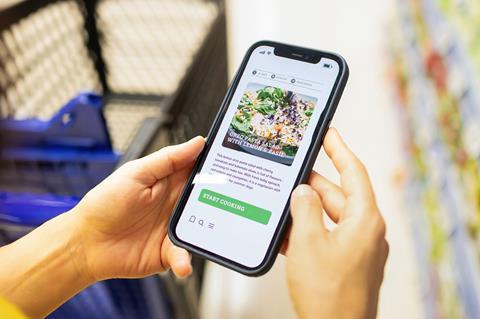
In April, Tesco also launched a large-scale colleague trial [The Grocer] of its AI assistant, an in-app addition that will support customers with meal planning and personalised recipe suggestions and help them to build out a curated shopping basket for delivery or collection.
The ambition for all grocers should be to carefully choose the channels they invest in, rather than spread themselves too thin, says Patrick Young, managing director of PRS In Vivo, part of Ipsos. “The biggest mistake retailers can make is assuming that more touchpoints automatically create a better shopper journey. Consumers don’t think in terms of channels. They think in terms of completing a task.”
What matters above all is relevance and consistency – whatever touchpoint they’re engaging with a retailer on – with a continuous but tailored experience. “Retailers need to stop optimising individual channels in isolation and instead design for the journey between them,” says Young. “Consistent pricing, messaging, availability and branding matter more than ever because every inconsistency forces shoppers to stop, think, and potentially abandon the purchase altogether.”
Harnessing third-party data
Iceland has worked proactively with PayPal to improve their own channel optimisation, says Douglas, engaging both new and existing consumers and stripping away potential areas of friction.
That has included offering incentives via PayPal’s own in-app rewards programme PayPal+, as well as using insights on user buying patterns to surface ads to the right shoppers, at the right moment, with the right messaging across different touchpoints.
Iceland has also found more frictionless ways to reach and reward shoppers, wherever they’re transacting. A limited-time PayPal offer gave customers a discount on qualifying purchases, driving a strong uplift in average order value and delivering meaningful incremental sales for the frozen food retailer.
This was paired with an awareness campaign focused on Iceland’s core growth audiences – driving a healthy lift in visits to Iceland.com and reinforcing the retailer’s ability to connect with the right shoppers across channels.
A simple truth
The average grocery transaction is only set to become more complex as AI increases its penetration and ‘zero click’ purchases via LLMs become the norm, says James.
“As discovery fragments across search, social and conversational AI, retailers have fewer opportunities to interrupt shoppers and more opportunities to genuinely help them. The winners won’t simply personalise more offers. They’ll anticipate needs, remove friction and show up with value before customers even start searching.
“The retailers that succeed won’t be those with the biggest apps or the loudest marketing. They’ll be the ones that understand a simple truth: shoppers don’t care about channels; they care about solving a problem quickly.”
Wherever, whenever and all at once.
To find out more about how PayPal can support your business click here