





Alantra’s Fast 50 ranking has revealed which private companies are growing fastest despite the challenges of a cost of living crisis
Consumers may be feeling the squeeze, but some brands are still flying, as shown by Alantra’s Fast 50 ranking of the UK’s fastest-growing private companies.
Boasting average annual sales growth of 35% over the past two years, this year’s list edges ahead of the previous cohort to come close to an all-time high.
New entrant and functional fungi innovator Dirtea has leapt straight to the front of the pack. Registering a two-year compound annual growth rate (CAGR) of 230%, it has outpaced the Fast 50’s fastest-ever growing top five.
Among those five, that average rises to a “remarkable” 190%, notes Alantra head of UK food and beverage Charles Lanceley.

At the other end, the bar for entry in the 50 is higher than it has been in several years, with the lowest-ranked still achieving a CAGR of 22%. Despite that, the number of new entrants is high: 23 of the 50 have appeared for the first time, underlining the pace of innovation.
The data might appear to suggest the sector is enjoying a halcyon period, “but that could hardly be further from the truth”, says Lanceley.
“These businesses have achieved such remarkable growth in spite of market conditions. The landscape is hugely challenging and UK consumers’ budgets remain constrained, with a cost of living crisis that continues to squeeze wallets.”
Alantra’s ranking requires three years’ published accounts, with the growth rate measured over the most recent two. Fifteen companies are making their second appearance on the list and six have managed three consecutive years. Huel (#50) and Brothers Drinks (#42) have registered five consecutive appearances.
So what sets the high-flyers apart?
The top five all tap into appetites for health-linked products. Dirtea’s functional fungi are followed in order by CBD drinks brand Goodrays, supplements supplier Tonic Health, CBD and ‘adaptogen’-infused brand Trip, and mushroom supplement brand Spacegoods (see table below).
They are playing in an area where, “relative to other sectors, there aren’t very many large, established brands with high consumer awareness and trust”, says Lanceley. “So it’s easier for small brands to cut in.”
As much as the segment has grown through its own appeal – especially thanks to increasingly health-conscious younger consumers – it has also benefited from growing consumer aversion to less healthy segments such as UPFs or high-sugar products.
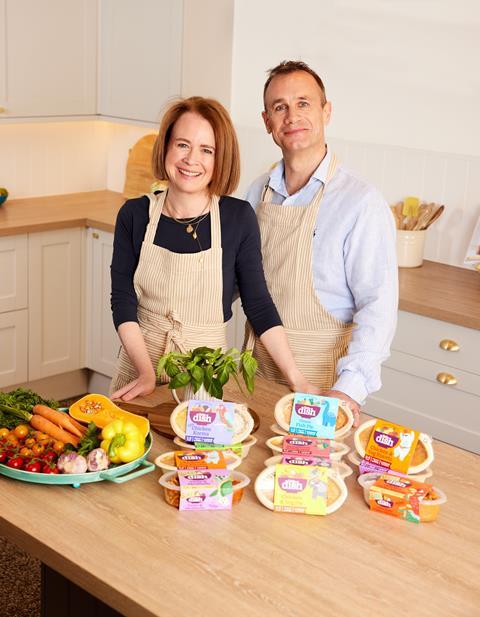
Picked out by Alantra as ‘one to watch’, children’s chilled meal supplier Little Dish (#32) has earned its growth by providing concerned parents with healthier meals, while retaining the convenience they prize.
Parents have become “dissatisfied” with other products, “which are high in sugar and deficient in nutrients”, says CEO Dean Brown. “An enormous opportunity is opening up.”
The trend for health will only continue, predicts Lanceley. He notes UK wallet share remains just 30%-40% of what consumers are spending on supplements in the US or Australia.
“We’re seeing a fundamental shift in how people approach health,” says Dirtea co-founder Andrew Salter.
“It’s no longer about extreme routines or short-term fixes. It’s about upgrading everyday habits. People are drinking less, going out less late and looking for daily rituals that genuinely make them feel better.”
The rising bar for investment
For companies that are typically too small or asset-light to secure debt funding, the ability to win investment sets the Fast 50 apart. That is especially the case now that much of the Covid-era appetite for crowdfunding has receded, Lanceley says, and PE firms shy away from consumer goods.
“The bar [for investment] has gone up,” Lanceley adds. “There is a very small group of businesses that ticks all the boxes.”
Not only do investors want strong growth, they want “structurally higher margins” such as those enjoyed by the top five, and potential for them to become mainstream. Brands must also boast differentiation and high repeat purchase rates.
Add on investors’ desire to see a well-developed strategy and stable team, and it becomes apparent why few businesses enjoy the massive growth that comes with capital investment.
But there will be no shortage of deal opportunities for the Fast 50. Not only have they proved attractive to investors – those funding them first will have done so with an exit plan.
“Anyone who’s taken on external funding, those external funders will want a return on their capital, which means they are, at some point, looking for a sale.”

Trip is top of Lanceley’s list for potential sales.
“The major beverage players haven’t had any joy in pushing any kind of CBD proposition, and now Trip is starting to diversify out into general wellness, it makes [the company] more attractive,” he says.
“It has good awareness, good repeat rates and is ultimately a brand they would struggle to build internally.”
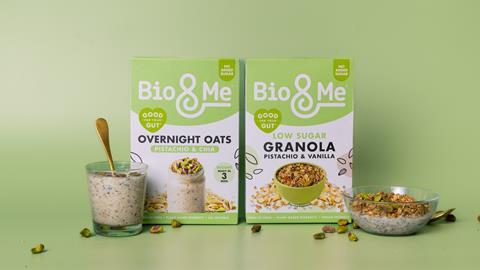
While the rest of the top five may still be a little small to qualify for sale this year, Lanceley also points to Bio&Me (#8) as a strong contender thanks to its on-trend gut health offering. Butternut Box’s (#9) subscription-based petfood portfolio is another choice pick. “It’s PE-funded and absolutely flying. Achieving 90% growth off that scale is difficult and very impressive.
“There’s no doubt they will be bought at some point by a major player like Nestlé, Mars or General Mills.”
The role of DTC
While many of the Fast 50 have scaled rapidly by selling directly to consumers, DTC has lost some of the industry-wide appeal it enjoyed in the wake of the pandemic.
Tonic Health (#3) has won its success without DTC. The company was part of Sainsbury’s Future Brands incubator and has since won listings with Tesco, Asda and Morrisons.
Similarly, Hilltop Honey (#17) founder and CEO Scott Davies has found traditional retail partnerships crucial for growth.
“Getting your label on those shelves is going to be your biggest marketing pull,” he says.
DTC still has significant presence on the list where businesses have adopted a balanced approach, says Lanceley.
“The businesses that have moved to subscription have done well. That’s part of Butternut Box’s success.”
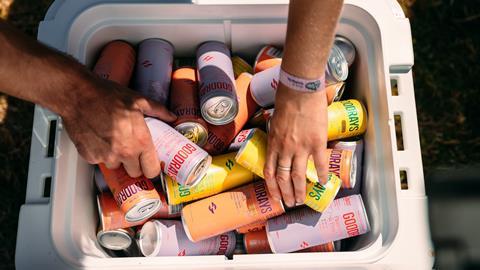
The Fast 50 list is dominated by companies that have secured rapid growth by dovetailing products that require repeat purchases to work, often leveraging new health science with a subscription or high-repeat-rate purchase model.
With such solid fundamentals, this growth is likely to continue, says Lanceley.
“Younger generations are increasingly health-conscious and I don’t see any slowdown. It’s very different to the meatless industry, which experienced rapid growth and then crumbled.”
Goodrays founder Eoin Keenan says the trend is making retailers more receptive than ever to worthwhile innovation. “The retailers get it now – not just from a commercial perspective, but also because they see that these products are ultimately better for consumers.”
The health-focused sector looks set to get yet healthier.








1 Readers' comment