We’ve all done it. You pick up a chocolate bar, a packet of crisps or the same packet of biscuits you’ve been buying for years and then think: hang on – am I imagining this, or has this gotten smaller?

It’s that creeping suspicion of being short-changed that sits at the heart of shrinkflation – and one that Mondelez CEO Dirk Van de Put is now keen to reframe.

Speaking on the BBC’s Big Boss Interview podcast this week, Van de Put defended Cadbury’s shrinkflation strategy, arguing that reducing pack sizes rather than raising prices allows shoppers to keep buying their favourite treats at familiar price points, despite surging cocoa costs.

“I believe most consumers love their Cadbury,” he said. “They want to have their daily Cadbury, but when they are used to paying £1, they don’t want to then pay one-and-a-half or £2 for the same quantity.”

So what can Cadbury do in that situation? Van de Put was upfront about the solution, insisting it’s for the customer’s benefit rather than Mondolez’s bottom line. “Yes, we sometimes reduce the size. But we don’t do that in a malicious way… the price point at which consumers can buy is very important to them.”

He continued: “People call it shrinkflation but it’s not like we are trying to fool the consumer… it is, in our opinion, the best way people can carry on enjoying their Cadbury.”

Shrinkflation or short-changing?

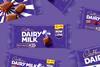
Ultimately it comes down to cost. Consumers dislike visible price increases more than they dislike smaller products, claims Van de Put, making it a no-brainer to shrink the product rather than hike the price. Cadbury Dairy Milk followed exactly this approach last year, shrinking its Dairy Milk Freddo multipacks by 20% while keeping shelf prices the same.

It’s a neat argument. But if shrinkflation genuinely helps shoppers, why does it so often leave them feeling hard done by? 

Part of the answer lies in transparency, or lack thereof. Shoppers are rarely told when packs shrink, which fuels the sense of being misled. Research revealed that, of a poll of 1,000 UK adults, 61% view smaller packs being sold at the same price as “very unfair”. Almost two-thirds (64%) said it would be “very fair” for retailers to flag shrinkflation when it happens, while a similar number said they would rather accept a modest price increase than discover a smaller pack at the same price. 

Some brands are already taking that route. Tony’s Chocolonely, for example, has vowed not to shrink or reformulate its chocolate, even as shelf prices have risen by as much as 20% over the past year.

Van de Put’s comments are timely, given Mondelez’s recent slap on the wrist. Last month, a German court ruled against the business after it reduced a Milka bar from 100g to 90g without significantly changing the packaging. Judges found the familiar design could mislead consumers, who were unlikely to check the weight of a product they thought they knew. 

The ruling highlights the crux of the problem. The act of shrinkflation itself is not necessarily an issue, but how it is communicated is. 

If reducing pack sizes is really in consumers’ best interests, as Van de Put argues, manufacturers should have little hesitation in making those changes explicit, whether that is on pack, on shelf or via marketing.

Otherwise it risks reinforcing the very suspicion Van de Put is so keen to dispel: that shrinkflation is less about helping shoppers, and more about quietly asking them to pay the same for less.