
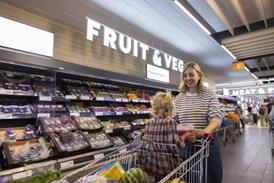




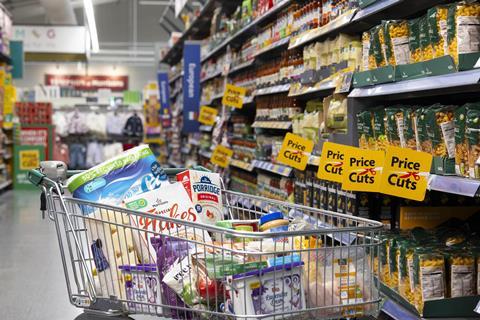
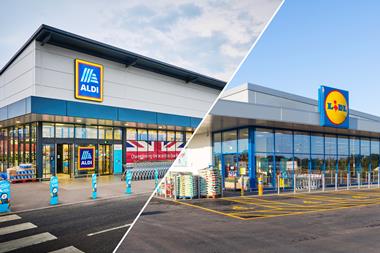
Intense competition between supermarkets helped to keep food inflation down in September, despite rising cost pressures as a result of the war in the Middle East and climate change.
Food inflation fell to 2.5% year on year in between 1 and 7 September, down from 2.8% in August according to the latest figures from the BRC-NIQ price monitor.
Fresh food inflation also slowed, to 2.6% down from 3.0% in August. While the rate was slower, inflation on ambient food also fell to 2.2% from 2.5% in August.
Overall shop price inflation fell to 1.4% in September, down slightly from 1.5% in August.
Price cuts and promotions resulting from competition between the supermarkets had helped to minimise inflation, despite the pressure from rising costs, said BRC CEO Helen Dickinson.
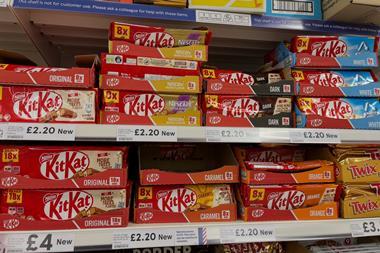
“Promotions helped bring down meat and dairy prices, though poor harvests across Europe pushed up fruit prices and high global commodity prices kept chocolate and confectionery prices elevated,” she said.
Non-food inflation also fell, from 0.9% in August to 0.8% in September, due to “strong discounting” on back-to-school essentials.
The figures follow separate data from the BRC last week which showed that consumers are growing increasingly nervous going into autumn as energy and living costs continue to rise.
“Shoppers reset spend in September and sales growth slowed after the hot summer,” said Mike Watkins, NIQ head of retailer and business insight,
“So many retailers have maintained promotions, and some have introduced price cuts to help drive demand, all of which is helping to keep inflation lower than a year ago. Q4 is expected to bring tighter household budgeting so retailers will still need to absorb cost increases wherever possible,” Watkins said.
Looking ahead to the autumn budget set for 28 October, Dickinson once again urged Chancellor John Healey to do more to support retailers.
“Retailers have absorbed wave after wave of extra costs, but there is a limit to what businesses can shoulder,” she said.
“With higher business rates set to hit in April, alongside rising employment costs, energy bills and packaging taxes, the budget is a fork in the road. The Chancellor can help keep prices down by freezing the rates rise and removing shops from the business rates surtax, or risk pushing even more costs onto consumers.”





No comments yet