




The Cold Chain Federation has slammed government “inaction” on the impact of the Middle East crisis and warned the lack of a “clear food resilience plan” poses a “real risk” to the UK’s national security.
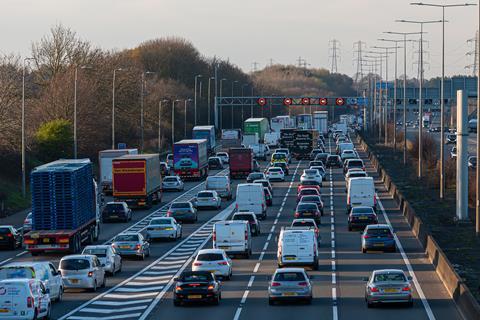
A letter – seen by The Grocer – sent by CCF CEO Phil Pluck to Chancellor Rachel Reeves this week laid bare the vulnerabilities of the food supply chain and warned the cold chain sector was “uniquely exposed to rising fuel costs”, adding if action on soaring fuel prices was not taken “within days”, food inflation would “become uncontrollable”.
“To date we have seen no supportive action from government that reflects the reality of the severe and escalating cost pressures facing the industry, which have now reached a critical level,” Pluck warned.
The widespread use by the sector of transport refrigeration units (TRUs) – which were “essential to maintaining the integrity of food and pharmaceutical goods during transport” – meant the industry faced a “dual diesel burden”, he added, as the units operated on separate diesel systems in addition to the vehicle’s primary fuel consumption.
This significantly increased overall fuel exposure and cost, placing the sector in a “position of double jeopardy as prices rise”, Pluck pointed out.
Read more: Rachel Reeves announces energy bailout for food companies
It was “not only threatening the future of many businesses across the supply chain, but also massively increasing food prices to UK citizens”, he claimed. “In turn, this is creating a food poverty crisis that is already present, but risks becoming an epidemic if we cannot control fuel and energy costs.”
The CCF is estimating inaction on the issue could add up to 15% to the price of food. It is “urging” the government to “consider immediate fuel duty decreases for essential distribution supply chains such as the cold chain, without delay”.
While Reeves today announced an energy bailout for food companies, the government is yet to make a long-term commitment on fuel duty concessions.
Pluck noted that Spain had cut the price of diesel by €0.30 a litre by reducing VAT due to the conflict. Excise had also been cut in Italy, saving €0.25 a litre, while Poland had reduced VAT on fuel from 23% to 8% – placing the UK “at a disadvantage”.
The Irish government has also stepped in with support linked to fuel price increases following protests over the past week. As part of a €505m package announced last weekend, excise duty will be cut by 10% on diesel and petrol until the end of July.
Pluck told The Grocer the cold chain sector had repeatedly urged the government to take more action on food sector resilience, only to be met with “complete deafness” on the issue.
“We’ve seen enough crises to have to wake up and do something about this,” he urged, adding that apart from energy price shocks, the sector was also having to contend with challenges ranging from cyberattacks on operators to the impact of climate change on cold stores and a lack of local chilled food storage capacity.
Due to government inaction, the CCF was currently working on a white paper, due to be published in June, which will outline the need for a Food Resilience Plan.
“We, as an industry, and the UK citizen are at the mercy of global prices indexes. But government has the ability to act decisively to mitigate these impacts,” the letter to Reeves added.
Tesco’s Ken Murphy pledges to keep shoppers’ costs down in Iran war
“By supporting the cold chain and general haulage industry, the government can stabilise costs and help contain food and pharmaceutical inflation. What we do is essential; it is life essential.”
The CCF’s warnings come amid media reports overnight that warned the UK could face food shortages, in areas such as chicken and pork, by the summer if the Iran conflict continues.
Citing government sources, both the BBC and The Times reported that the government was planning for a scenario around “the continued closure of the Strait of Hormuz and breakdowns in the supply of carbon dioxide gas”.
Senior officials – including from No 10, the Treasury and Ministry of Defence – had “secretly rehearsed scenarios looking at the potential impact on British industry in an event codenamed ‘Exercise Turnstone’”, The Times claimed.
The government gave CO2 supplier Ensus a £100m bailout in March to restart production of the gas – critical for a number of uses across the food sector – in response to the ongoing crisis in the Middle East.
“While there are not expected to be critical food supply shortages, officials expect there could be a lack of product variety in shops,” The Times reported. “Officials discussed unease that the impact would be highly visible and risk undermining wider government campaigns stressing security of supplies in other areas.”





No comments yet