





A funding crisis is facing the government’s EU reset talks after food safety bosses revealed they have been given no extra cash to oversee the huge shake-up of food and animal welfare checks at the border, The Grocer can reveal.
Food Standards Agency CEO Katie Pettifer admitted this week that the agency was being forced to recruit “vital” extra staff to help carry out the overhaul to Sanitary and Phytosanitary (SPS) checks, with no guarantees there would be money coming from the Treasury to pay for them.
Speaking at the FSA’s quarterly board meeting in Reading today (10 December), Pettifer said: “We’ve got quite a big financial resourcing risk in this respect. We have no additional money to do the work on the agreement, which could be very substantial.”
The FSA was “negotiating with government and trying to work with industry on implementing this legislation at the same time”, she added, while conceding the regulator would have to “try to absorb that on a flat [financial] settlement”.
This meant she was having to “take more financial risks than I might usually do – we are going to have to recruit roles now that we absolutely need to do this work in the hope that we can find a way to absorb them next year”, Pettifer said.
“We are speaking to the Treasury, but we absolutely have to do the work.”
Read more: Illegal meat threat at border ‘won’t wait’ for EU SPS deal, MPs warn
FSA chair Professor Susan Jebb told the meeting the FSA’s conversations had been dominated by the implications of the SPS agreement and confirmed the agency would be “holding a series of workshops with the industry starting next week”.
And “looking ahead, it feels like we are at quite an important juncture in the future of the FSA, given the likely changes in our role that will emerged from the SPS work on the horizon”, Jebb added.
“SPS and the EU reset is the most important issue for the FSA right now, and I was pleased to attend the first meeting of the [government’s] European implementation group,” she said.
“Were working closely with Defra on this. Defra held an initial webinar for business recently – it’s incredibly important that every food business understands the implications of the conversation, which will affect everybody, not just in trade with the EU.”
‘Dysfunctional’ Dover in need of revamp
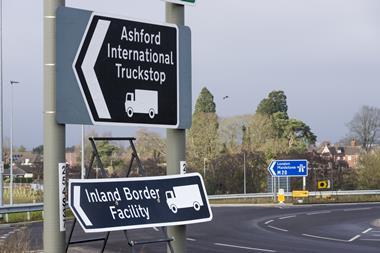
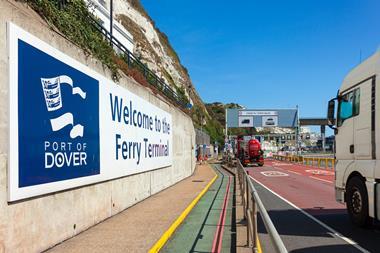
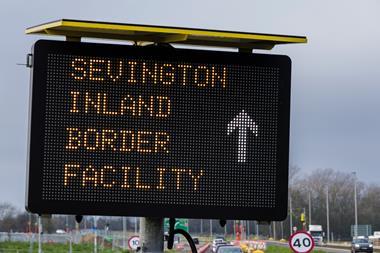
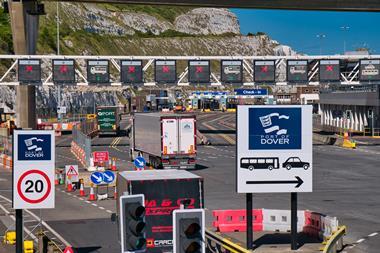
It comes as the Commons Environment, Food & Rural Affairs Committee heard on Tuesday that urgent improvements to border infrastructure at the UK’s busiest port at Dover would be required to tackle the growing threat of illegal meat imports.
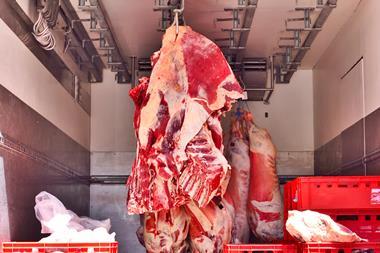
Committee chair Alistair Carmichael MP cited Dover Port Health Authority figures that showed over 338 tonnes of illegal meat had been seized to date, this year – adding to concerns outlined in a damning Efra report published in September.
Its research warned “alarming” amounts of potentially unsafe product was making its way into the country via porous border controls.
Giving evidence to the committee, Defra’s parliamentary under-secretary of state Baroness (Helene) Hayman, having finally visited Dover recently, admitted facilities at the port were “poor” and “concerning”.
Officials were forced to share space with UK Border Force when checking vehicles, she added, with “very little space to work in, it isn’t ideal at all”.
Defra’s relationship with the DPHA had been described as “dysfunctional” in the September Efra report. Environment secretary Emma Reynolds also admitted in a separate Efra hearing last month she was yet to visit Dover, prompting Carmichael to slam the government for showing a “lack of urgency” on the matter.
Hayman told MPs that Defra did not have any jurisdiction over the port. “We cannot improve the facilities just because we want to,” she said. “We need to start having a conversation with the port”, she added, saying “I have asked officials how facilities can be made fit for purpose”.
UK border strategy ‘failing’ warns damning Efra Committee report
Committee members also took issue with the government line that smuggling would decrease once the SPS deal was complete, with Carmichael citing recent National Pig Association comments accusing government of wishful thinking and “kicking the can down the road”.
Hayman declined to comment on whether any assessment supporting this claim had been made by the government – pointing to the delicacy of SPS negotiations with the EU, which are now in their early stages.
However, she insisted improvements in information sharing would tackle the issue, while adding “it strikes me there’s an awful lot more we can do with Europe to stop this [at source] … at the moment nothing seems to be happening in Europe to stop this illegal trade”.
Defra was also relaunching a multi-departmental working group on borders with the likes of the Home Office, Cabinet Office, Treasury and Department for Transport, Hayman pointed out, while conceding there was currently a “lack of co-ordination in our response”.
NFU calls for transition period after SPS deal
Elsewhere, the NFU on Friday called for an “appropriate transition periods and certain exemptions to dynamic alignment” in a list of key demands from talks on the EU SPS deal.
Consideration should be given to enabling continued access to precision breeding technologies and the ability to continue bovine TB cattle vaccination programmes. Failure to do so could impact on food production in the UK, it warned.
“Ultimately, this deal should enable smoother trade with our largest trading partner,” said NFU president Tom Bradshaw.
“Alignment in many areas will help remove friction and unlock trade. But there are some areas which need to be treated carefully to minimise disruption to Britain’s farming sector and some which need to be excluded completely.”



No comments yet