





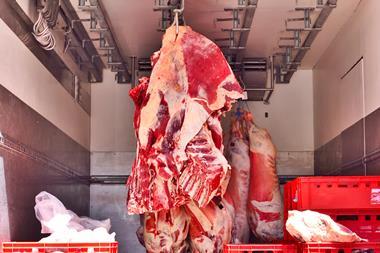
Meat industry players have launched another broadside at the Food Standards Agency (FSA), doubling down on accusations over “inflation busting” vet charges.
The Association of Independent Meat Suppliers (AIMS) said comments made by the FSA, defending itself following the public declaration of a judicial review into vet charges, were “fallacious and misleading”.
Jason Aldiss, executive director of the meat industry body, said it was to the “FSA’s eternal shame” that its and the British Meat Processors Association’s members had “been forced to take a legal route to make them face up to their obligation to deliver a legal, fair, proportionate and cost-effective system of official controls”.
According to AIMS, the FSA confirmed there would be a 24% increase in official controls charges from April, adding £50,000 to £100,000 a year to the costs of many meat businesses. As previously reported by The Grocer, AIMS said the agency would also be reducing discounting by more than £3m.
“The FSA has announced this unexpected and eye-watering 20%-plus increase in charges less than six weeks before they are due to come into effect, giving cash-strapped businesses no time to explore ways in which they might mitigate their impact,” Aldiss added, alleging the FSA’s interpretation of “engagement” was telling the meat industry “it knows what’s best for it”.
Read more: Meat industry takes government to court over vet charges
The review, due to be heard in the High Court in April, will focus on vet charges, but discounting reductions on official controls were the key driver behind the issue coming to a head.
“Larger businesses will still receive a big share of the discount next year, but the effect of moving towards a more targeted approach is that these businesses will see a decrease in their taxpayer-funded subsidy while small abattoirs will continue to receive support of up to 90%,” said James Cooper, deputy director of policy at the FSA, who called the total £11.8m “a significant taxpayer contribution”.
A government source said the FSA frequently discusses delivery of controls and charges with industry bodies and the 2026/27 charges, due to be formally published on 27 February, would arrive a month ahead of when they come into effect on 30 March.
“We carry out essential checks that help keep British meat safe,” Cooper added. “We have engaged with meat industry bodies on charge rates and discounts for these inspections, and will meet with them again later this week ahead of formal publication on our website.”







No comments yet