



Plant-based brands are bracing for ”chaos and fragmentation” following the EU decision to clamp down on labelling.
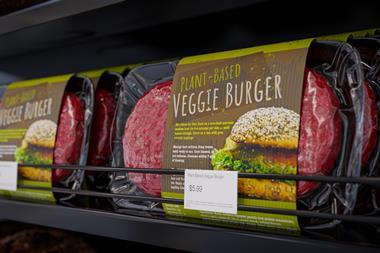
The European Parliament and Council of the European Union have announced plans to restrict labelling for plant-based food, banning brands from using 31 words, including the likes of ‘steak’ and ’bacon’.
It still requires the assent of the European Commission, but companies cautioned it would create “a substantial operational and economic burden” and “major disruption”.
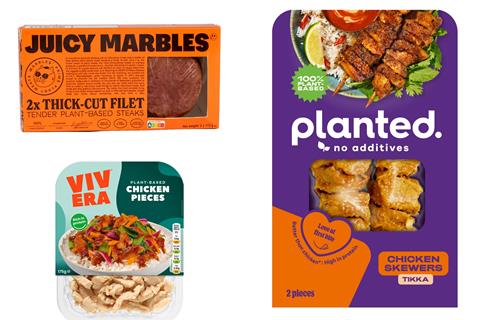
Vivera, which has a number of products that would be affected by the ban, said the move would force the renaming of core plant-based and hybrid products that would require “large‑scale rebranding, repackaging, legal reviews and regulatory updates across all EU markets”.
“The direct costs include rebranding, artwork updates, changes across online and offline communications, and product‑specific campaigns to educate consumers about new names,” a spokesperson said. “The indirect costs stem from missed growth opportunities: in the Netherlands alone, 13% of our buyers each year are new to the category.
“If we cannot clearly signal what our products replace, we risk losing this important group of newcomers.”
Meanwhile, Swiss company Planted said it was “still too early to outline concrete operational steps” but noted the adjustments “would primarily concern product naming, packaging updates and related communication materials across markets”.
Several Planted products would be affected by the ban, but the company told The Grocer it expected a three-year transition period would be implemented to allow companies to adjust.
‘Politically motivated symbolism’
However, the Planted spokesperson added that it showed “how politicised the debate around plant-based alternatives has become”.
Vivera also dismissed the move as “politically motivated symbolism”, warning that a “measure intended to support farmers could unintentionally disrupt mainstream food categories, adding complexity, cost and confusion” pointing to a lack of clarity on taste descriptors and hybrid products.
“Depending on how authorities interpret the rules, even products that contain real meat might no longer be allowed to use terms like ‘chicken’ or ‘beef’.” This, the spokesperson said, could undermine “an important innovation pathway” and “ironically it would also limit opportunities for meat farmers themselves if hybrid meat becomes harder to bring to market”.
As previously reported by The Grocer, the deal was hailed as a “decisive victory” for farmers by Céline Imart, one of the chief supporters of the agreement, who said it would protect farmers, their work, products and heritage, against unfair competition.
“We are particularly worried that this measure was added as a last‑minute amendment, without any impact assessment or testing of its legal or practical feasibility,” Vivera added. “This risks a patchwork of interpretations across 27 member states, more legal disputes, inconsistent enforcement and rising administrative burdens.”
Concerns were echoed by Juicy Marbles co-founder Luka Sinček, who said the policy was a “travesty and another example of EU food policy losing sight of the bigger picture”.
“At the same time as the EU pushes forward with the Mercosur agreement – which many expect will significantly increase imports of meat produced outside Europe – policymakers are debating whether plant-based foods can use common culinary terms like ‘steak’,” he said. ”That contradiction is hard to ignore.
“We should be supporting European-developed protein technologies that increase resilience in the food system, not making it harder for them to compete,” Sinček said. “This looks far more like political pressure from incumbent industry than evidence-based food policy.”
Read more:
-
We should all have beef with the EU plant-based labelling decision
-
European Union bans over 30 plant-based food labels
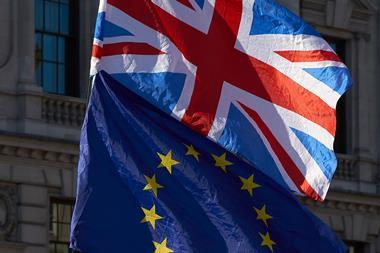
The Food & Drink Federation said meat protections were “an example of a potential new EU rule that the UK will be signing up to, where the proposal was drafted without allowing UK interests to be taken into account”.
“This demonstrates the importance of the UK being able to input on future EU laws that affect our food and drink manufacturing industry,” Balwinder Dhoot, the organisation’s director of growth and sustainability, said. “For example, this specific policy could stifle growth in the UK’s plant-based sector, while bringing little benefit for consumers.”
He added: “We’ll keep working with government and industry to ensure businesses have the time, clarity and support they need to adapt to the SPS agreement.”

No comments yet