veggie plantbased vegan burger

At last! The wait is over! Smoke appeared from the chimney of the European Parliament last week, presumably from a meaty barbecue hosted by French MEP and bill-proposer Céline Imart, and we have an answer to the question very few people outside the meat lobby were asking: the EU is to ban 31 ‘meaty’ names for vegan or vegetarian products.

But is this the big win the meat lobby wanted?

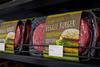
Not really. The labelling decision means consumers will still see vegan or veggie ‘burgers’, ‘sausages’ (arguably the two most established meat alternative products) and even ‘escalopes’ on their supermarket shelves. But we are all deemed too daft to be able to differentiate between a plant-based ‘steak’ or ‘drumstick’ and one that was cut from the carcass of a cow or chicken.

The full list of banned terms includes ‘lamb’, ‘chicken’, ‘beef’, ‘mutton’, ‘goat’ and many more names that are likely to make a vegan or vegetarian shopper quickly lose their appetite anyway. So ‘steaks’ and maybe ‘drumsticks’ aside, it’s hard to see this as the big win for which the European meat lobby has been fighting so hard.

What’s in a name?

It’s certainly a big loss for the reputation of some politicians – this bill still has to be ratified by the European Commission, and is there really nothing more politically pressing for them to be doing at the moment? – and it’s a loss for consumers, manufacturers and common sense.

The meat lobby says it’s right to ban animal or body-part names for non-animal products, so it’s bye-bye ‘chicken’, ‘lamb’ and ‘goose’ and farewell ‘thigh’, ‘breast’ and ‘liver’ alternatives. (Did anyone ever want a ‘liver alternative’?)

Hang on, though: a ‘mutton’ isn’t an animal or body part, and nor is a ‘pork’, a ‘bacon’ or a ‘beef’.

What’s in a name? Certainly not consistency.

This is mirrored, of course, by similar anomalies in the restriction of language around dairy alternatives, where coconut ‘milk’ is permitted on labels but not for soya, oat or almond ‘milk’.

What about peanut or shea ‘butter’? Then there’s the meat industry itself selling everyone a pup in the shape of hot ‘dogs’, which one would hope even the most bloodthirsty carnivore wouldn’t have bought by mistake.

Food innovation

It’s ridiculous, but it isn’t funny. This ruling will stifle food innovation, increasing costs for businesses that will need to re-market products, and none of this benefits the consumer, who wasn’t concerned about the issue in the first place.

As David Flochel, CEO of Vegan Trademark client Quorn Foods, said: “It is encouraging that the EU ultimately did not implement the full scale of the proposed ban.

“At the same time, it is unfortunate that these negotiations have absorbed so much attention and energy, when Europe’s food system faces far more pressing challenges that require focus and collaboration.

“Hopefully this chapter now allows policymakers and industry to move forward and concentrate on what truly matters: supporting innovation and scaling solutions that can meaningfully improve diet-related and planetary health outcomes.”

Fundamentally, we should be encouraging more people to try plant-based alternatives, as the recent Eat-Lancet report recommended – not discouraging them by making a fuss about a problem that doesn’t exist.

That EU barbecue smoke is reflected in the mirrors of a protectionist meat lobby that is running scared from the increasing popularity of the ethical, environmental and health benefits of veganism. But this ban, while unwelcome and unnecessary, will not stop the vegan movement.

After all, did the ‘milk’ ban stop or even slow sales of plant milks, no matter how they are labelled?


Karen Spinner is sales & marketing manager at The Vegan Trademark