




Food price inflation could increase to as much as 12% by the end of the year, with the impact of degraded soils worsening the impact of climate volatility and global shocks on UK production, according to new analysis from ecological NGO Save Soil.
The group said the potential increase would add between £440 and £740 a year to the food bill of a typical UK household, based on average annual food spending of around £5,500 to £6,200.
Save Soil argued degraded soils were increasing the severity of supply shocks by making farms less resilient to drought, heatwaves and flooding.
The analysis comes as the organisation said the UK was losing around three million tonnes of topsoil a year, with the loss of soil carbon alone worth around £3.21bn.
“These figures are real pressure on family budgets, with staples like potatoes, bread and vegetables most exposed,” said Save Soil chief policy and science officer Praveena Sridhar. “Prices are driven by energy, labour and global markets, but soil decides how hard each shock lands.”
“Healthy soil holds water through a drought and structure through a flood, so yields hold and prices steady,” Sridhar added. “We have depleted that buffer for decades, and families pay for it at the till.”
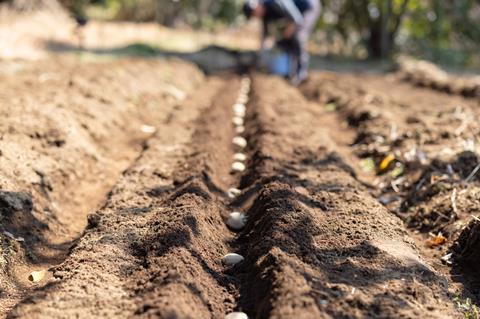
In combatting the effects of soil degradation, Save Soil said regenerative practices, such as cover cropping and reduced tillage, would make farms more resilient and less dependent on skyrocketing inputs.
The organisation said raising soil organic matter by 1% would allow each hectare to hold an extra 250,000 litres of water, while regenerative systems also showed lower yield losses during drought.
Pointing to the government’s much-criticised recent package of tariff cuts, designed to ease the cost of living, Save Soil said it was “pulling the wrong levers” and that soil health was among the most cost-effective hedges against future shocks.
It called on Whitehall to introduce a legally binding soil health target under the Environment Act 2021, alongside a national soil-monitoring scheme to replace the soil assessment actions removed from the Sustainable Farming Incentive.
The organisation also urged ministers to back longer, results-based agreements through Landscape Recovery, as well as funding for farmer advice and training alongside direct payments.
“The government’s direction on soil is welcome, but the building blocks are not yet fully in place,” said Save Soil policy analyst Rico Rau. “Without a binding target, consistent monitoring and agreements long enough for soil to recover, farmers carry the risk and households keep paying.”







No comments yet