



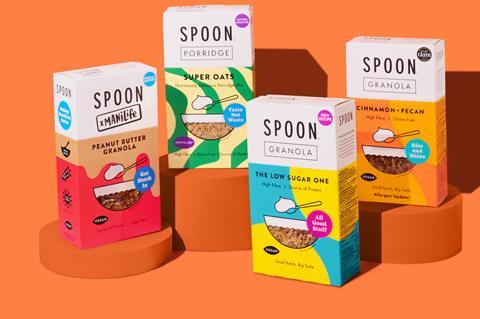
Cereals challenger Spoon is taking regenerative agriculture into the mainstream breakfast aisles after partnering with Wildfarmed.
The innovation follows a shift to a vertically integrated model as the brand opened its first factory after securing a seven-figure investment of more than £1.5m.
The round, backed by Finance Yorkshire alongside new and existing investors, marked a “significant step-change” for the business.
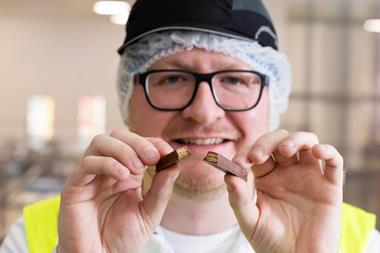
Spoon’s new manufacturing site in South Yorkshire will give the company capability to produce granola, porridge and snack bars, while also co-packing for emerging brands.
The Barnsley factory launch coincided with Spoon’s push into regenerative agriculture, with a rollout of co-branded granolas made using Wildfarmed’s British-grown regenerative oats set for launch this spring.
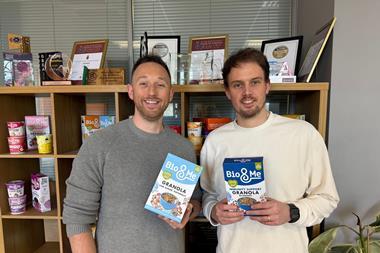
“We’ve built the brand on taste leadership and ingredient integrity,” said co-founder Jonny Shimmin. “Owning our manufacturing gives us complete quality control, supply chain resilience and the ability to move quickly with innovation, while also providing the capacity for significant growth.”
Spoon also appointed experienced fmcg executive Justin Cook – whose background includes leadership roles at leadership roles at Müller, Jacobs Douwe Egberts, Mondelez and Kraft – as chairman. It has also brought in Simon Hazlett, formerly of Genius Foods and Roberts Bakery, as managing director to support the business through its next stage of growth.
Shimmin founded Spoon with sister-in law Annie Morris in 2013, with the pair appearing on BBC’s Dragons’ Den a year later, securing backing from Deborah Meaden and Peter Jones. The brand is listed with Waitrose and Ocado, with new supply and retailer partnerships set to be announced.
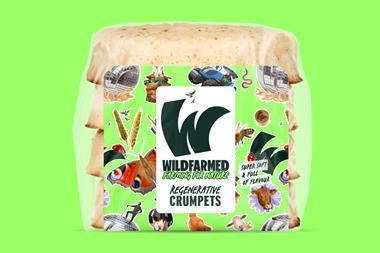
Wildfarmed: how an unlikely trio are bringing regenerative agriculture to the masses
“Regenerative has already premiumised bread,” Morris said. “It can premiumise granola.
“We’re not here to sprinkle sustainability dust over the same old cereal. We’re future-proofing the category from the soil to spoon.”
“Sustainability can’t just be a badge,” added Shimmin. “With Wildfarmed, regenerative isn’t a marketing claim, it’s backed by measurable farming data. We’re talking about soil health, biodiversity and real on-farm outcomes. When you combine that level of transparency with category-leading taste, that becomes commercially powerful.”
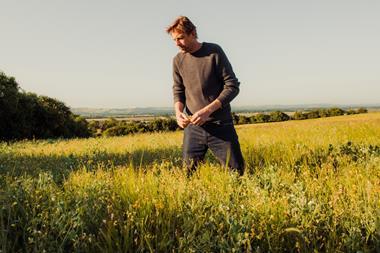
Wildfarmed co-founder Edd Lees said: “The cereal aisle hasn’t changed much in decades – but how our food is grown needs to. Seeing Wildfarmed oats hit the cereal aisle with Spoon is a big step forward for regenerative farming.
“These oats are grown in a way that restores soil, supports British farmers and prioritises biodiversity in food-producing land. If we want better food, it has to start with better ingredients behind everyday staples like breakfast cereal.”

1 Readers' comment